During survey several fatigue cracks were found in way of the elliptic curved corner of the opening in way of cargo hatch ways on the main deck. A shedder plate had been welded to the main deck in way of the hatch opening corner. This is believed to be the most probable cause of the crack in the deck plate.
Situation Awareness and Safety in Offshore Drill Crews
The following information is a summary from a paper published a few years ago the University of Aberdeen by Anne Sneddon, Kathryn Mearns, Rhona Flin. The paper deals with the subject of situation awareness and safety in offshore drill crews and presents a review of situation awareness in drilling incidents and results from interviews with oil and gas industry drilling personnel regarding situation awareness in this environment.
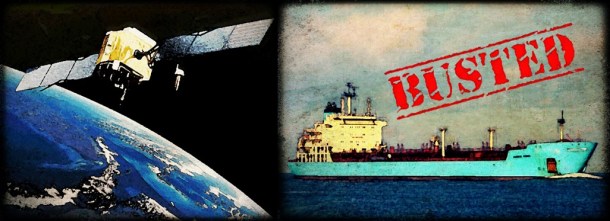
Tanker Pollution Busted by Satellite Images
The UK Maritime and Coastguard Agency (MCA) issued a press notice regarding the tanker pollution conviction after use of satellite imagery as the primary evidence. At a hearing at Truro Magistrates Court, the owner of a tanker paid a total of £22,500 in fines and costs after pleading guilty to a breach of UK maritime pollution legislation.
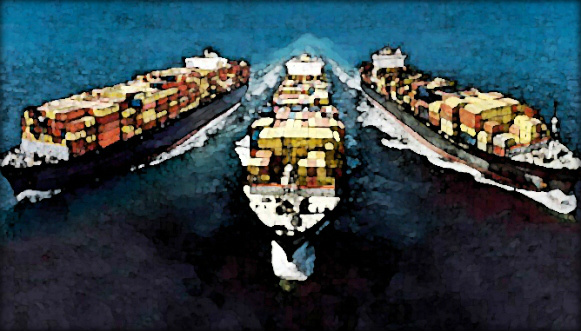
Seaborne Trade by Cargo Type During 2011-2012
United Nations Conference on Trade & Development (UNCTAD) releases every year an annual report with the aim of fostering the transparency of maritime markets and analysing relevant developments. This post refers to “The Review of Maritime Transport” for 2012 which covers data and events from January 2011 until June 2012. In this post we present an extract from the UNCTAD 2012 report regarding seaboarne trade by cargo type.
Eight Ships Detained for MLC Related Deficiencies in Paris MoU During First Month of MLC Implementation
On 20 August 2013 the Maritime Labour Convention (MLC, 2006) entered into force and became a relevant instrument for the Paris MoU. During the first month 8 ships were detained for MLC-related deficiencies in areas under the jurisdiction of Paris MoU. This means that 12% of the total number of detentions (68) in the Paris MoU area in this period was MLC, 2006 related.
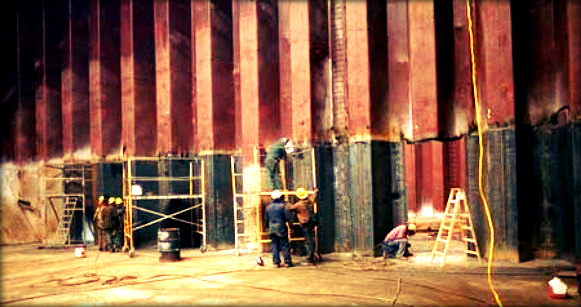
Cargo Tank Corrugated Bulkhead Damages of Double Hull Tankers
Corrugated bulkheads are generally utilised as the boundary between cargo tanks of small and medium sized product or chemical tankers. The corrugation provides benefits such as simplified cleaning which is highly desirable due to the operational profile of these vessel types. Properly designed, constructed and maintained corrugated bulkhead structures can give many years of safe and satisfactory service. On the other hand the complexity of structural configuration and difficulties of manufacture can lead to significant defects occurring which may be costly to repair. The following information is an extract from a Tanker Structure Co-operative Forum (TSCF) paper which reviews corrugated bulkhead design practice and provides details of damage experience from TSCF members.
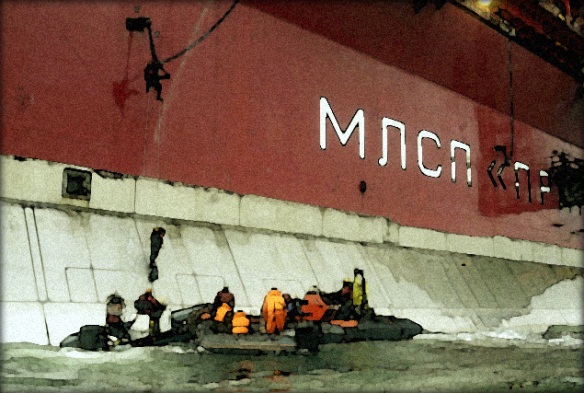
Prirazlomnaya Platform Greenpeace Incident
During last month (September 18), Greenpeace’s Arctic Sunrise approached the Prirazlomnaya offshore oil drilling platform and Greenpeace activists onboard the vessel attempted to board the facility. Their aim was to protest onboard the Prirazlomnaya platform in order to draw attention to the issue of the expansion of oil and gas exploration in the Arctic Ocean. Their efforts were stopped by the border guards and their vessel was taken in tow to Murmansk port. A total of 30 crewmembers were detained.
Corrosion Under Walkways on Oil Tankers
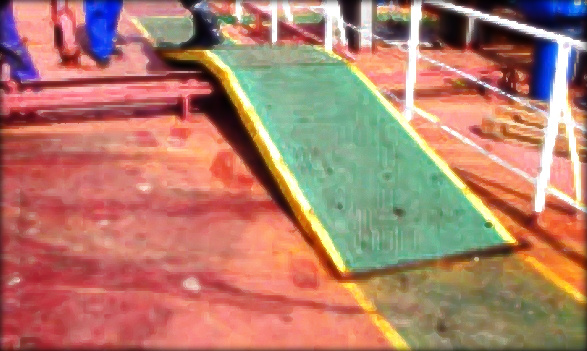
During the main hull survey of an oil tanker, it was noted that deep spots of grooving corrosion had taken place under the walk ways, which is an almost inaccessible area, when the walkways are in place. The original plate thickness was 15 mm, but several grooved and corroded areas were found with only 5 mm of plate thickness; extending in the transverse direction of the deck.
Australian Shipping Safety Incidents Statistics
The information contained in this post are extracts from The ATSB “Australian Shipping Occurrences Statistics 2005 to 2012” which provides information on what accidents and incidents have happened during the analysis period, how often they have happened, and what can be learnt from them. Incidents, and injuries happen more often than is widely believed. Some of the most frequent accident types are preventable, particularly fatalities to crew and shipboard workers. Lessons learned from the experiences of others in the industry can help identify the safety risks in their operation that could lead to a similar accident or serious incident. Analysis of reported occurrences helps to understand why accidents and incidents happen, and where the major safety risks are.
Safety4Sea Forum 2013
The 4th Annual Safety4Sea Forum takes place today in the premises of the Eugenides Foundation in Athens. Safety4Sea is a NON PROFIT / PRO BONO event aiming to enhance Safety and Environmental Awareness and promote Best Practices in way of Safety & Environmental Excellence. This year’s program includes subjects such as Safety, Environment Regulatory Developments, Human Element, STCW, MLC, Security Loss prevention etc.