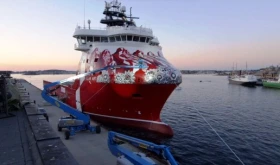
NOAA released on early December 2012 an article regarding a collection of scientific papers about the Deepwater Horizon oil spill. The Proceedings of the National Academy of Sciences of the United States of America collection provides the first comprehensive analysis and synthesis of the science used in the unprecedented response effort by the government, academia, and industry.
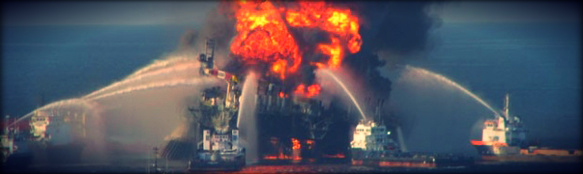
Deepwater Horizon Oil Spill Response from a Scientific and Engineering Point of View
Crack in Deck Plating
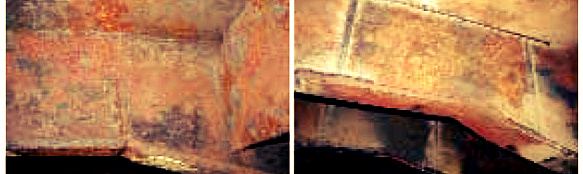
During survey of cargo centre tanks, cracks were found in some of the deck longitudinals in a amidships. The cracks had penetrated through the flange, into the web of the deck longitudinal, and further into the deck plating at one location. The most probable cause of the cracking was fatigue due to longitudinal hull girder stresses combined with unfavourable location of welding in a knuckle.
The Captain – Hero or Villain?
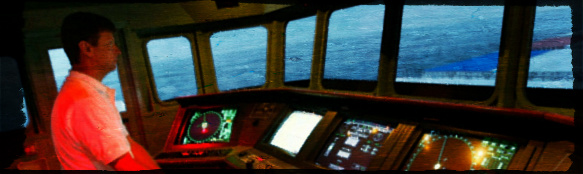
The following article is an extract from Capt. John’s Dickie presentation during 2012 Safety4Sea Annual Forum and was initially posted on SAFETY4SEA. Shipping changes so much and there is over-regulation. But the people who make the over-regulation do not come from maritime background. The demands on the Master for his time and ability are being stretched to new limits. The advent of the STCW 2010 Manila Amendments came into force on the 1st January 2012. This is in respect of the Hours of Work and Rest. Do you work by hours of work or by hours of rest? If you calculate the hours of rest, things are more flexible. The Master continues to see more and more administrative tasks being awarded to him, but where is the time to complete these and ensure that his ship operates at peak performance? Add to this the increasing numbers of maters who are being prosecuted as criminals and the recipe is set for disaster.
Iron Fines that may Contain DRI (C) Fines
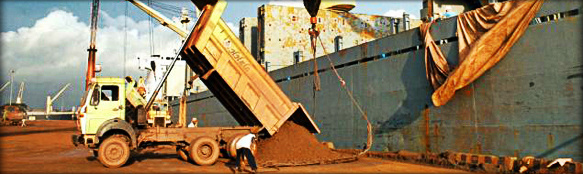
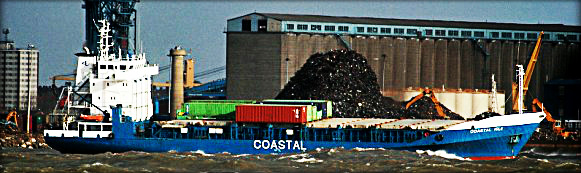
The process of manufacturing Direct Reduced Iron (DRI) from iron ore and the subsequent hot briquetting procedures generate unwanted by-products in the form of dust and broken chips during most of the stages. Some manufacturers recover these materials and offer them for shipment. Historically, such cargoes have mainly originated from Venezuela and Trinidad, although shipments have also been made from the United States, Mexico and Libya. This cargo has been responsible for a number of casualties in the past, most notably the bulk carrier YTHAN in 2004 in which six crew members lost their lives during explosions that occurred in four of her five cargo holds and which also resulted in the loss of the vessel.
Reduced Berthing Times Could Save Money to Shipping Companies
Engine Room Fire due to Burst Fuel Injection Pipe
A port auxiliary engine was operating under normal conditions when a fire started in way of the manifold. It was decided to evacuate the engine room and the CO2 system was released eleven minutes after detection of the fire. After approximately half an hour, the fire was confirmed extinguished.
IMO MEPC 64 Decisions Summary
The IMO MEPC held its 64th Session at IMO from Monday 1 through Friday 5 October with a high attendance of about 900 delegates. A Review Group on Ballast Water matters was formed together with 3 Working Groups on the subjects of Ship Recycling, Technical Co-Operation and Transfer of Technology, also Air Pollution and Energy Efficiency. In addition, 2 Drafting Groups studied Amendments to the IBC Code and Interpretations/Reports of sub-committees. Finally, an informal Technical Group met out-of-hours to report on the Saba Bank PSSA. The next MEPC meeting is scheduled during May 2013.
North American ECA Related Deficiencies
Last August the North America ECA low sulphur requirements came into force and as a result the sulfur content of the fuel oil used onboard ships operating in this area may not exceed 1.00% m/m (10,000 ppm). This new requirement comes to add further restrictions on the fuels’ sulphur levels and gives the PSCO the ability to examine either the vessel’s SMS or its equipment or relevant records on whether or not they are in line with ECA regulations.
Loss of Anchor
A vessel lost one anchor and four lengths of chain cable during anchor handling. During the vessel’s previous drydocking, a number of chain cable lengths had been renewed on port and starboard side, including a number of Kenter shackles (joining shackles) as found necessary, due to wastage in excess of allowable limits. The remaining part of the anchor chain cable lengths and Kenter shackles were at that time found to be in satisfactory condition.