DNV and GL Merger

During the End of 2012 GL and DNV announced their agreement to merge. The new entity will be called DNV GL Group. The merge will create the third-largest certification, inspection and testing business for industries such as shipping, oil and gas, and renewable energy. Its global headquarters will be at Høvik outside of Oslo. The merger may be effective by the second quarter.
2013.02.20 - DNV and GL Merger

[Read more…]

Chemicals in Containers

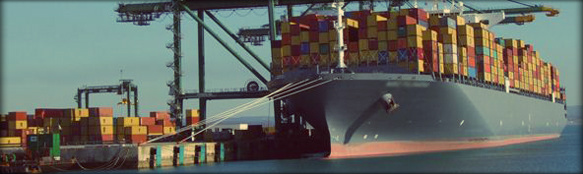
The problem of hazardous chemicals in shipping containers has become a topic of major concern over the last 10 years. The combination of sealed containers and long journey times means that hazardous chemicals can build to a level that would never normally be encountered in domestic or industrial settings. The problem is exacerbated by the massive variety in chemicals involved, the origin of many containers in countries with less strict health and safety controls, and the often poor documentation accompanying the containers.

2013.02.19 - Chemicals in Containers

[Read more…]

Maritime Administration of Latvia Services

Detention due to Oil Leakage

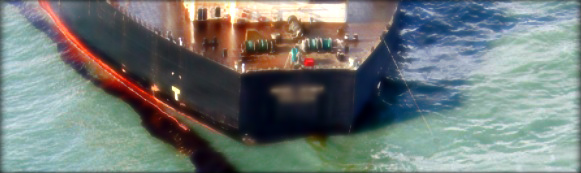
The vessel was discharging a cargo of crude oil when she was arrested for leaking oil. When divers were called in, it was verified that the source of leakage was the oil/ballast (O/B) overboard line from the oil discharging monitoring (ODM) system.

2013.02.15 - Detention due to Oil Leakage Figure 1

[Read more…]

Lessons from the Deepwater Horizon Incident

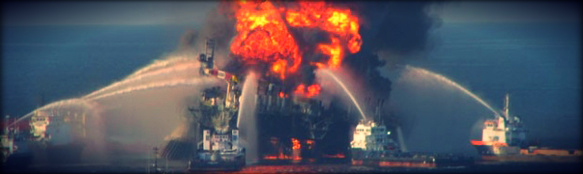
The following article was initially published in SAFETY4SEA by Apostolos Belokas Managing Editor of SAFETY4SEA. On January the 3rd of 2006 the US Authorities released the investigation report of the M/T Bow Mariner investigation. It was a shocking thing to read throughout the report and realize that many items were found to be out of order. Let aside the key finding : Root cause of the incident was the failure of the operator to properly implement SMS. Five years later, same day the US Authorities released the preliminary report of the findings of the investigation of the Deepwater Horizon Incident.

2013.02.14 - Lessons from the Deepwater Horizon Incident

[Read more…]

IMO MSC 91 Decisions Summary

IMO’s Maritime Safety Committee (MSC), which met at the Organization’s London Headquarters for its 91st session from 26 to 30 November 2012 adopted a number of amendments to the International Convention for the Safety of Life at Sea (SOLAS), including a new mandatory requirement for new ships to be constructed to reduce on-board noise and to protect personnel from noise; and considered a range of other issues, including piracy and armed robbery against ships and other items submitted by the IMO sub-committees.

2013.02.13 - IMO MSC 91 Decisions Summary

[Read more…]

Deepwater Horizon Oil Spill Response from a Scientific and Engineering Point of View

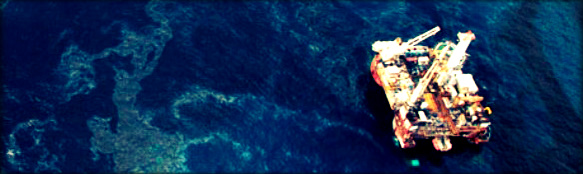
NOAA released on early December 2012 an article regarding a collection of scientific papers about the Deepwater Horizon oil spill. The Proceedings of the National Academy of Sciences of the United States of America collection provides the first comprehensive analysis and synthesis of the science used in the unprecedented response effort by the government, academia, and industry.

2013.02.12 - Deepwater Horizon Oil Spill Response from a Scientific and Engineering Point of View

[Read more…]

Tanker in Heavy Storm

Crack in Deck Plating

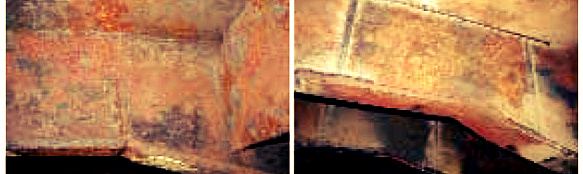
During survey of cargo centre tanks, cracks were found in some of the deck longitudinals in a amidships. The cracks had penetrated through the flange, into the web of the deck longitudinal, and further into the deck plating at one location. The most probable cause of the cracking was fatigue due to longitudinal hull girder stresses combined with unfavourable location of welding in a knuckle.

2013.02.08 - Crack in Deck Plating

[Read more…]

The Captain – Hero or Villain?

The following article is an extract from Capt. John’s Dickie presentation during 2012 Safety4Sea Annual Forum and was initially posted on SAFETY4SEA. Shipping changes so much and there is over-regulation. But the people who make the over-regulation do not come from maritime background. The demands on the Master for his time and ability are being stretched to new limits. The advent of the STCW 2010 Manila Amendments came into force on the 1st January 2012. This is in respect of the Hours of Work and Rest. Do you work by hours of work or by hours of rest? If you calculate the hours of rest, things are more flexible. The Master continues to see more and more administrative tasks being awarded to him, but where is the time to complete these and ensure that his ship operates at peak performance? Add to this the increasing numbers of maters who are being prosecuted as criminals and the recipe is set for disaster.

2013.02.07 - The Captain - Hero or Villain

[Read more…]