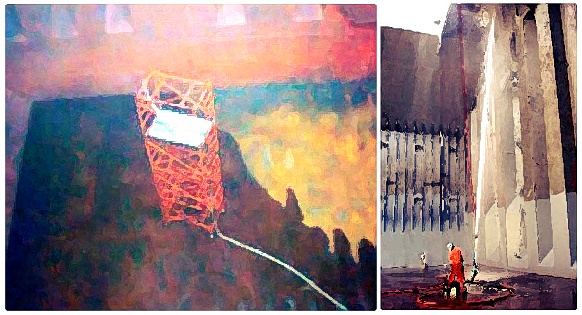
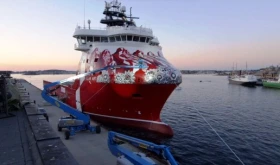
This accident investigation report refers to the fatal crush of a boatswain between the end stop for the crane’s trolley and the railings up on the walkway as the crane’s outriggers were swung in. None of the other persons who were up on the crane at the time of the accident observed the incident, but the ship’s management was notified as soon as it became clear that the boatswain had been crushed and first aid measures were implemented immediately. The ship’s management also called for medical personnel from ashore, who arrived quickly. Despite the steps taken, it was not possible to save the boatswain’s life.
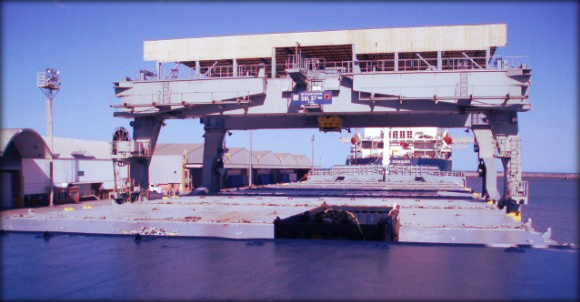
Fatality Caused by Crane Trolley End Stop Onboard Cargo Ship – Investigation Report
Accident While Washing Down Cargo Holds – Investigation Report
This incident refers to an accident where during an operation of washing down a cargo hold from inside the hold, two crew members were injured when they were thrown from the top platform of the scaffolding rigged on the inner bottom in the cargo hold. One of the crew members was slightly injured and the other lost consciousness for a relatively long period. The protracted loss of consciousness was subsequently attributed to brain injury.
Economic Cost of Somali Piracy for 2012
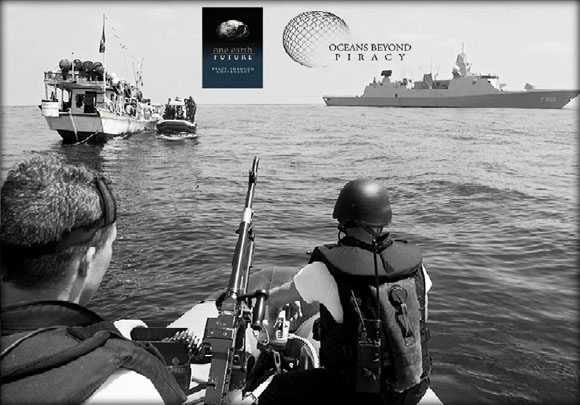
Oceans Beyond Piracy (OBP), a project of the One Earth Future foundation (OEF) has published a few months ago its third annual assessment of the Economic Cost of Somali Piracy for 2012 (ECoP 2012). This year’s assessment, like the one before it, considered nine separate, first order cost categories and found that maritime piracy cost the global economy between $5.7 and $6.1 billion in 2012. This estimate is the result of extensive research, supplemented by contributions from and an extensive audit by independent piracy experts. At between$5.7 and $6.1 billion, the cost of piracy to the global community fell by around $850 million, or 12.6% from 2011.
EU Approach on Safety of Offshore Platforms
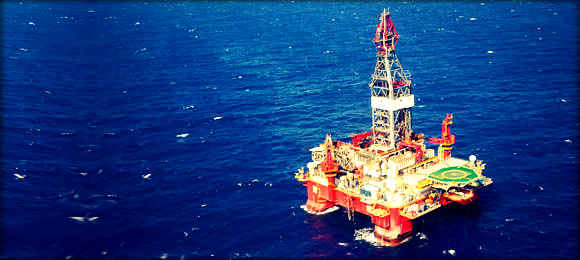
Prevailing trends in the European oil industry, especially in the field of search, detection and extraction of hydrocarbon deposits (Upstream), show an increase of these activities in the coming years. The most – technological, institutional, business – advanced European North, has begun to decline after forty years of production and prepares … not just to pass the “baton” to the south, but to bring it themselves…
The Impact of International Shipping on European Air Quality
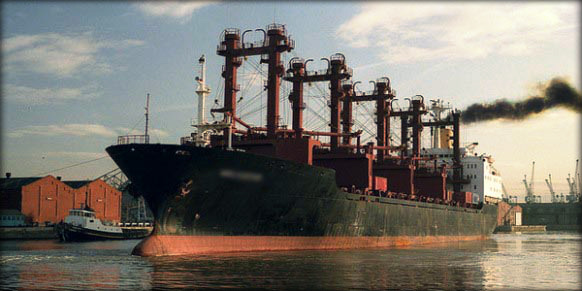
Due to its dependence on fossil fuel combustion and the fact that it is one of the least regulated anthropogenic emission sources, emissions from the marine transport sector contribute significantly to air pollution and climate change. The European Environment Agency last March published a report on the impact of international shipping on European air quality. The main objective of the report was to provide a comprehensive review of recent literature and reports, taking into account expert knowledge, on the maritime transport sector. The report addresses the sector’s impact on air quality and climate forcing in Europe and the executive summary of the report is presented in this article.
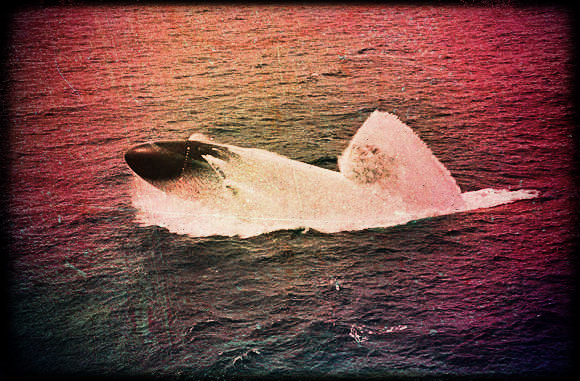
The Collision of US Submarine Greeneville and the Fishing Vessel Ehime Maru – Investigation Report
The Ehime Maru and USS Greeneville collision was a ship collision between the United States Navy (USN) submarine USS Greeneville (SSN-772) and the Japanese fishery high school training ship Ehime Maru on 9 February 2001, about 9 nautical miles (17 km) off the south coast of Oahu, Hawaii, United States. In a demonstration for some civilian visitors, Greeneville performed an emergency surfacing maneuver. As the submarine surfaced, it struck Ehime Maru, a fishery high school training ship from Ehime Prefecture, Japan. Within minutes of the collision, Ehime Maru sank. Nine of its crewmembers were killed, including four high school students.