Incident Information on Fatal Accident with Lifting Appliance
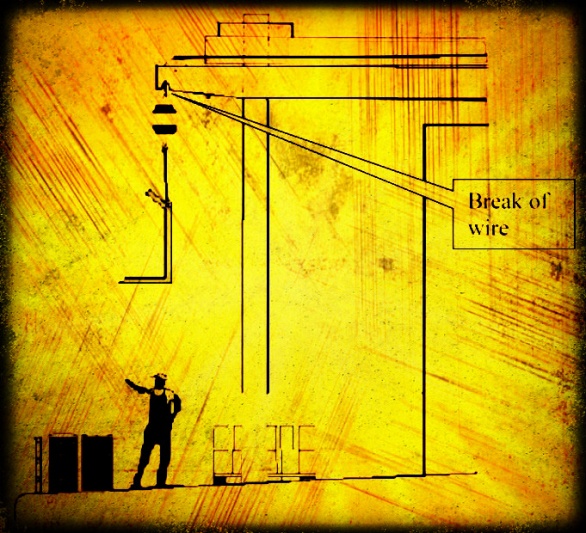
This incident information refers to a fatal accident involving a lifting appliance. A provision crane loaded pallets onboard a vessel using a pallet fork. After landing the pallet on the vessel’s deck, the pallet fork was cleared and the crane operator moved the crane outward to pick up new load. During this operation, the crane wire broke and the pallet fork and the hook fell down and hit one of the crewmembers on the vessel. Despite the effort of the vessel’s own crew, dedicated first aid personnel and a doctor, the injured person died shortly after the accident.
Scottish Oil and Gas Boom
The oil and gas sector is an important part of the Scottish economy. It is estimated to contribute around £25 billion to Scottish GDP, approximately 17% of the total in 2011. The sector is also a major exporter, with total UK production of oil and gas boosting the UK balance of payments by an estimated £40 billion in 2011. The growth of the oil and gas sector in Scotland has produced a wider supply chain to support the industry. There are estimated to be 2,000 companies in the oil and gas supply chain operating in Scotland, providing services to the offshore industry worldwide. In 2010, the Scottish supply chain generated sales of £16.3 billion, of which over £7.6 billion was accounted for by international sales.

Ship Recycling Developments
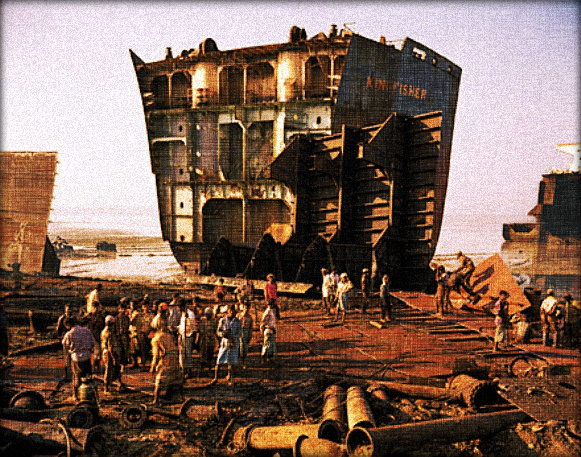
While ship recycling topic suggests the end of life cycle of ships, it is in fact related to the whole life cycle of the ship. Some aspects to be considered in ship recycling are the legislative background, practical experience gained and the risks that stakeholders might face.
Hydrocarbon Leak from Well Flexible Riser – Investigation Report
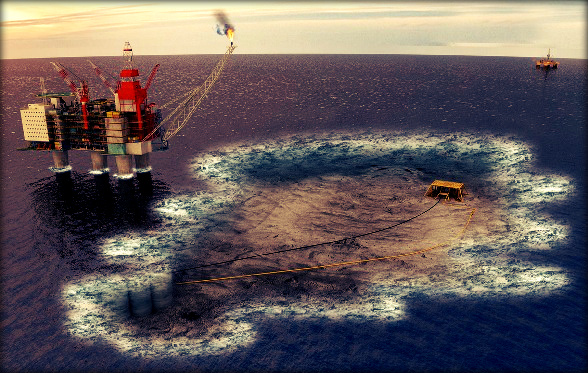
This investigation report refers to a hydrocarbon leak which occurred from a well flexible riser during a planned shutdown on Visund on 9 April 2011. Oil film and gas bubbles were observed in the sea near the production risers on the east side of the facility.
Incident Information on Ballast Tank Explosion of Offshore Rig During Repairs
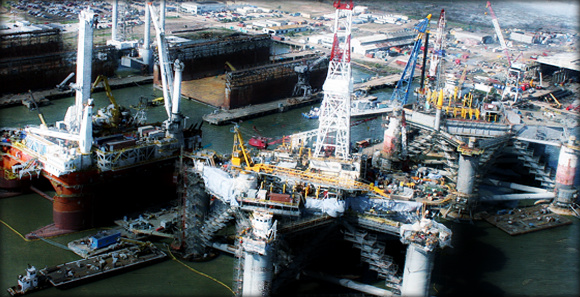
This incident refers to a ballast tank explosion of an offshore rig during shipyard repairs. During a repair job in a pre-load tank (ballast tank) on board a rig at a repair yard, an explosion occurred in the tank. The rig was undergoing extensive repairs. During the break time, workers using gas torch inside the pre-load tank, had shut the gas torch valves and left the tank. After the break, when they went in again for continuing their job, there was an explosion in the tank as soon as they ignited the gas torch.
Monthly PSC Report For June 2013
The following tables summarize some findings from the PSC inspections conducted in the main PSC MoU areas (Black Sea MoU, Mediterranean MoU, Indian Ocean MoU, Paris MoU and Tokyo MoU) during last month. Data have been also gathered from various Coast Guard agencies and are presented in each month’s report. Data from other PSC MoUs (Vina del Mar, Abuja MoU, Riyadh MoU) could not be extracted at the time this report has been issued and therefore were not included.
| PSC MoUs | Black Sea | Mediterranean | Indian | Paris | Tokyo |
| Total Inspections | 484 | 324 | 495 | 1478 | 3103 |
| With Deficiencies | 358 | 187 | 304 | 880 | 2089 |
| Without Deficiencies | 126 | 137 | 191 | 598 | 1014 |
| Detentions | 15 | 15 | 38 | 44 | 115 |

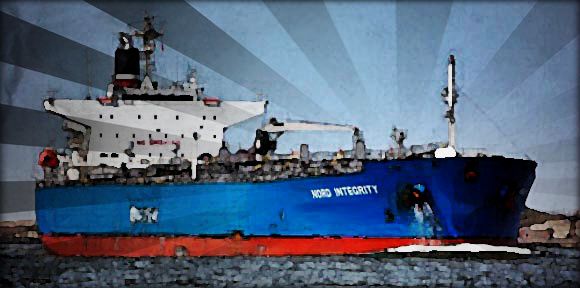
NORDEN Tanker Turned Off Engine and Sailed by Wind and Sea Current
A product tanker weighing 47,400 tons sailed a distance of 280nm having its engine shut off using only wind and sea currents to navigate through the sea. The tanker made it to the discharge port in time. but by stopping the main engine for 3-4 days, savings of 27 tons of fuel were made. So it appears that sometime traditional methods of navigation at sea may be more economic/fuel efficient compared to proposed technological improvements. Of course this cannot happen everyday but such an incident is worth mentioning especially during these times were everyone seems to be in panic of cutting costs and saving more fuel.




 Officer of the Watch