Scottish Oil and Gas Boom

The oil and gas sector is an important part of the Scottish economy. It is estimated to contribute around £25 billion to Scottish GDP, approximately 17% of the total in 2011. The sector is also a major exporter, with total UK production of oil and gas boosting the UK balance of payments by an estimated £40 billion in 2011. The growth of the oil and gas sector in Scotland has produced a wider supply chain to support the industry. There are estimated to be 2,000 companies in the oil and gas supply chain operating in Scotland, providing services to the offshore industry worldwide. In 2010, the Scottish supply chain generated sales of £16.3 billion, of which over £7.6 billion was accounted for by international sales.
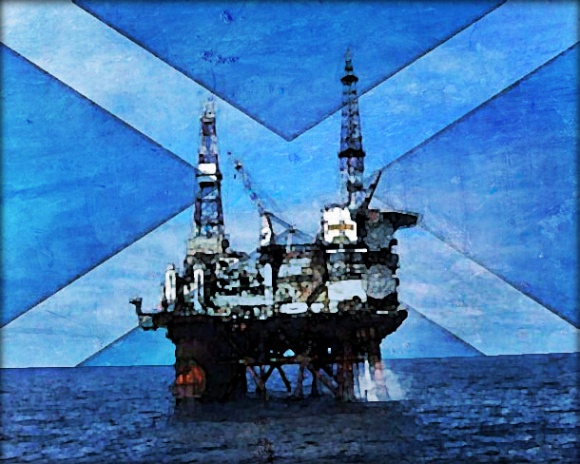
2013.06.12 - Scottish Oil and Gas Boom Figure 1

[Read more…]

Ship Recycling Developments

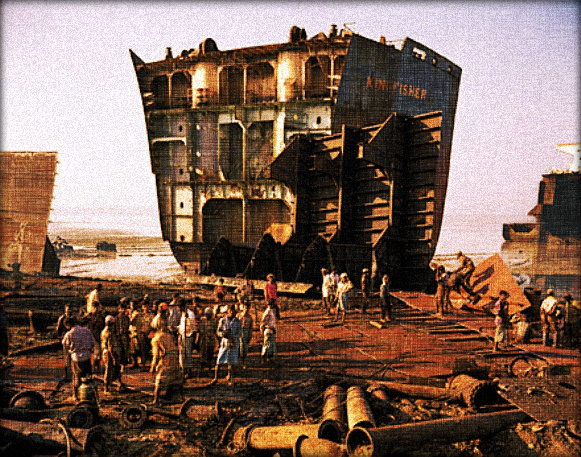
While ship recycling topic suggests the end of life cycle of ships, it is in fact related to the whole life cycle of the ship. Some aspects to be considered in ship recycling are the legislative background, practical experience gained and the risks that stakeholders might face.

2013.06.13 - Ship Recycling Developments Figure 1

[Read more…]

Incident Information on Ballast Tank Explosion of Offshore Rig During Repairs

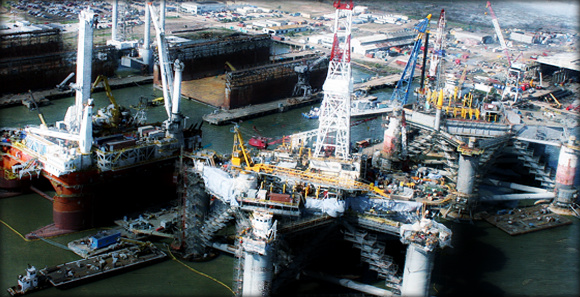
This incident refers to a ballast tank explosion of an offshore rig during shipyard repairs. During a repair job in a pre-load tank (ballast tank) on board a rig at a repair yard, an explosion occurred in the tank. The rig was undergoing extensive repairs. During the break time, workers using gas torch inside the pre-load tank, had shut the gas torch valves and left the tank. After the break, when they went in again for continuing their job, there was an explosion in the tank as soon as they ignited the gas torch.

2013.07.26 - Incident Information on Ballast Tank Explosion of Offshore Rig During Repairs Figure 1

[Read more…]

NORDEN Tanker Turned Off Engine and Sailed by Wind and Sea Current

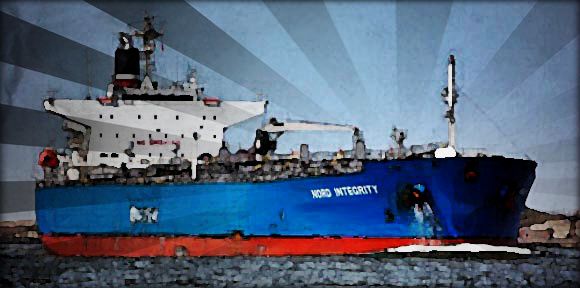
A product tanker weighing 47,400 tons sailed a distance of 280nm having its engine shut off using only wind and sea currents to navigate through the sea. The tanker made it to the discharge port in time. but by stopping the main engine for 3-4 days, savings of 27 tons of fuel were made. So it appears that sometime traditional methods of navigation at sea may be more economic/fuel efficient compared to proposed technological improvements. Of course this cannot happen everyday but such an incident is worth mentioning especially during these times were everyone seems to be in panic of cutting costs and saving more fuel.

2013.07.24 - NORDEN Tanker Turned Off Engine and Sailed by Wind and Sea Current

[Read more…]

World Bank Study on Somalia Piracy Identifies the Root Cause of the Problem

The global fight against piracy in Somalia has centered on prosecuting pirates and mobilizing naval forces. But to get to the root cause of the problem, the international community must focus on helping the nation build a functional political system, according to a new World Bank study.

2013.07.23 - World Bank Study on Somalia Piracy Identifies the Root Cause of the Problem Figure 1

[Read more…]

Incident Information on Engine Room Flooding

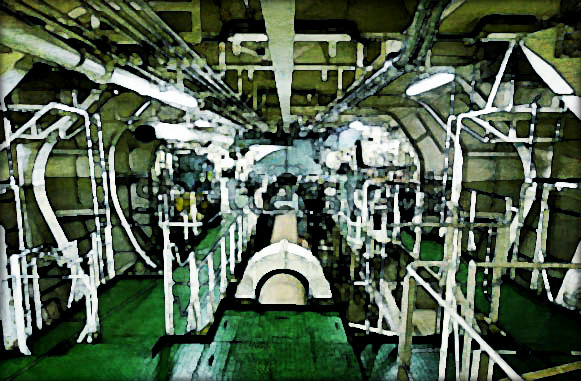
This incident information refer to an engine room flooding which occurred on board a ship during preparation for cleaning of a sea water inlet filter. Cleats on the filter were released and immediately seawater flooded through the filter.

2013.07.19 - Incident Information on Engine Room Flooding Figure 1

[Read more…]

Environmental Port Management – ESPO Tools and Certification

The subject of ports is very important along with the ships because if ports and ships do not work together, they will sink together. It is true that there is too much legislation; there are many legal aspects that both ports and ships face. They have to comply with all these International, European, National and Regional legislation and at the same time to invest in Research and Environmental Improvement and to have good relations with neighbours, local authorities and NGOs. All these result in higher costs for ports and inevitably the environment becomes a competitive factor.

2013.07.18 - Environmental Port Management - ESPO Tools and Certification Figure 1

[Read more…]

Abandoned Seafarers Incident in the UK

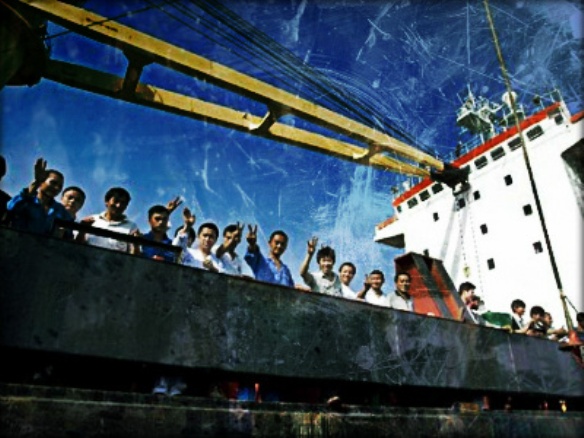
A usual case of the abandonment and her crew is highlighted within this post. The story took place in the UK during February 2013, less than a year before the official entry into force of the Maritime Labour Convention. Foreign seafarers were left stranded at Sussex after their shipping companies flounder on the brink of bankruptcy. Angry, confused and disillusioned crew members of various nationalities including Russian, Ukrainian and Belarusian, were living in their vessels for months on end without being paid wages and without an idea of when they can return home.

2013.07.17 - Abandoned Seafarers Incident in the UK

[Read more…]

Potential Costs of an Offshore Accident

The negative impacts of an accident are hard to quantify precisely, they will of course depend on the type, the scale, the time and the location of the event. In the case of an oil spill, its duration and the type of the oil will also have a major impact. The costs of an offshore accident will include costs to the operator (damage to the installation, lost oil, containment, cleanup, litigation etc.) and third-party costs to victims, to natural resources, the government and the affected individuals/businesses (including lost income). The information presented below are an abstract from the “Safety of offshore oil & gas Impact Assessment Annex I” working paper from the European Commission, published in 2011 to accompany the proposal for a regulation of the European Parliament on safety of offshore oil and gas prospection, exploration and production activities.

2013.07.16 - Potential Costs of an Offshore Accident Figure 1

[Read more…]

Information on Managing Risk While Transporting Fumigated Cargo

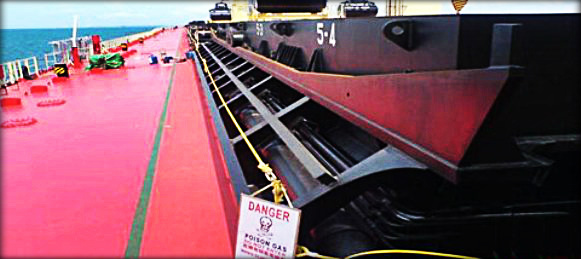
This incident information refers to the transportation of fumigated cargoes and how to manage risk resulting from such kind of cargoes. A bulk carrier was carrying a wheat cargo between two ports in Europe. The cargo was fumigated with phosphine gas during the voyage to protect it from insects and rodents. The gas somehow reached the crew’s cabins and a 22-year-old Latvian crew member died from exposure to the gas.

2013.07.12 - Information on Managing Risk While Transporting Fumigated Cargo Figure 1

[Read more…]