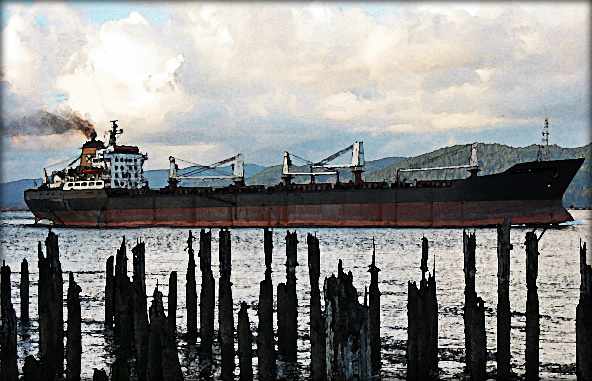
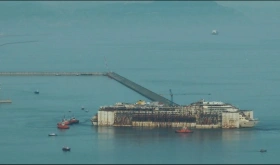
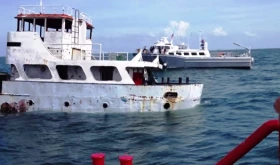
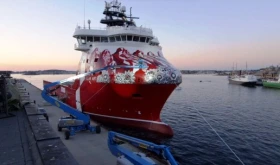
The information contained in this post are extracts from The ATSB “Australian Shipping Occurrences Statistics 2005 to 2012” which provides information on what accidents and incidents have happened during the analysis period, how often they have happened, and what can be learnt from them. Incidents, and injuries happen more often than is widely believed. Some of the most frequent accident types are preventable, particularly fatalities to crew and shipboard workers. Lessons learned from the experiences of others in the industry can help identify the safety risks in their operation that could lead to a similar accident or serious incident. Analysis of reported occurrences helps to understand why accidents and incidents happen, and where the major safety risks are.
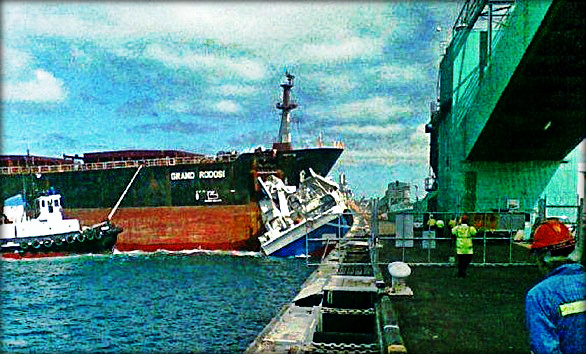
Safety4Sea Forum 2013
The 4th Annual Safety4Sea Forum takes place today in the premises of the Eugenides Foundation in Athens. Safety4Sea is a NON PROFIT / PRO BONO event aiming to enhance Safety and Environmental Awareness and promote Best Practices in way of Safety & Environmental Excellence. This year’s program includes subjects such as Safety, Environment Regulatory Developments, Human Element, STCW, MLC, Security Loss prevention etc.
Tracing Vessel Ownership – the Erika Case
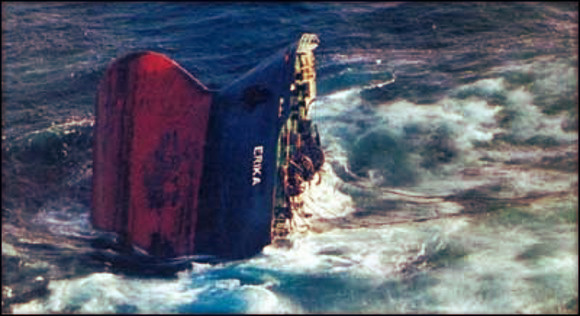
In the case of an accident and especially when an environmental disaster has occurred as a result of the accident, the multitude of parties involved as well as the “impossibility” of tracing ownership of the vessel, usually when she is registered in a Flag of Convenience (FOC), makes it really difficult to conclude who was responsible for the accident or to assign share of the responsibility to the stakeholders involved. The case of the Erika, a tanker which sank off the coast of France in 1999, illustrates many of the above mentioned concerns. On December 8, 1999 the Erika, a 37,000 ton tanker flying the Maltese flag and chartered by the oil company Total SA, formerly Total Fina Elf (and Total Fina at the time of the spill), left Dunkirk and sailed through the English Channel en route to the port of Livorno in Italy.
Death of Steward from Fatal Fall from Stairs – Investigation Report
This incident investigation report refers to the fatal fall from accommodation stairs of a steward onboard a bulk carrier a few years ago. The Steward of a Hong Kong registered bulk carrier fell from near the top of the stairway outside the aft door of the galley down to the floor of the upper deck outside the dry provision storeroom while he was carrying a pile of bowls about 10 to 12 pieces with both hands and ascending the stairs to the galley. Just before the incident occurred, the vessel experienced a sudden and swift rolling movement which caused the Steward lose his balance and fall.
Incident Information on Steel Coils Causing Damage to Tank Top
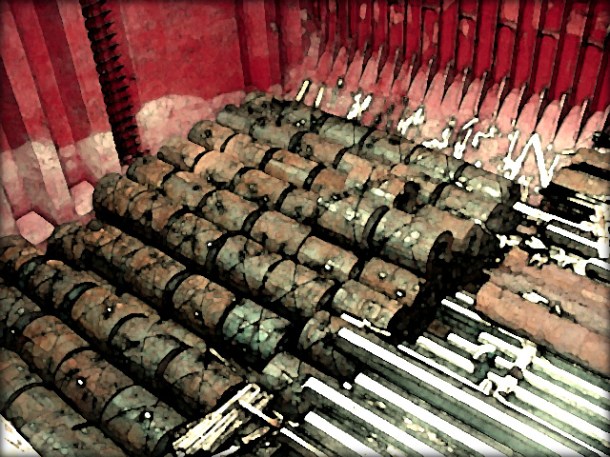
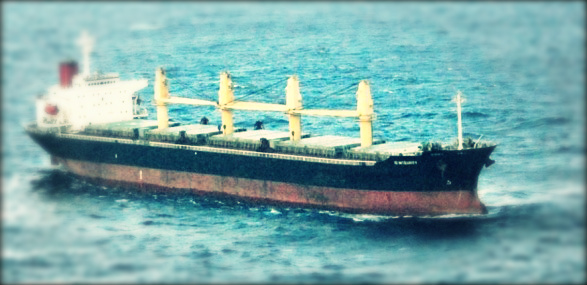
A Bulk Carrier was contracted to carry an occasional cargo of steel coils between two ports. When the vessel some time later discharged the cargo, it was noted that tank top plate had been indented. Internal inspection in the double bottom, below the cargo holds, revealed that longitudinals and floors had also been damaged.
Sampling and Analysis of Ballast Water in the Context of PSC
The underlying principle of Port State Control procedures is that sampling and analysis of ballast water treated onboard a vessel will not be more stringent than what is currently required for the scope of type approval. Port State Control procedures will be globally implemented when the International Convention on Ballast Water Management becomes effective. Sampling and analysis of ballast water is a complex issue while ships’ inspections are also a matter of concern. Thus IMO recently issued revised guidelines on ballast water sampling for trial use as BWM.2/Circ.42.
Russian Natural Gas export Opens Eastern Horizons
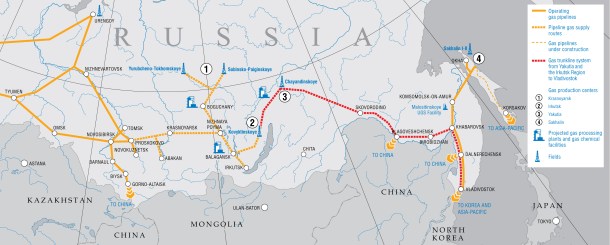
Real alternative to EU exports is born during recent talks in Moscow. Representatives of Chinese National Petroleum Company and Russia’s oil & gas giants Gazprom and Novatek have inked the agreement to sell abundant Siberian resources to the fast-growing Eastern market. The Chinese are investing billions to Russia’s fuel energy complex diversification program. Positive Fitch report on the historic deal indicates that both parties are planning to reach synergies and profit from cooperation.