During last February a very interesting article from Edmund Hughes, Technical Officer, Marine Environment Division, IMO was published in IMO’s website, explaining the new regulations aimed at improving the energy efficiency of international shipping, which entered into force on 1 January 2013 and make mandatory the Energy Efficiency Design Index (EEDI), for new ships, and the Ship Energy Efficiency Management Plan (SEEMP) for all ships. Other amendments to MARPOL Annex VI add new definitions and the requirements for survey and certification, including the format for the International Energy Efficiency Certificate. The regulations apply to all ships of 400 gross tonnage and above. However, under regulation 19, the Administration may waive the requirements for new ships up to a maximum of 4 years.
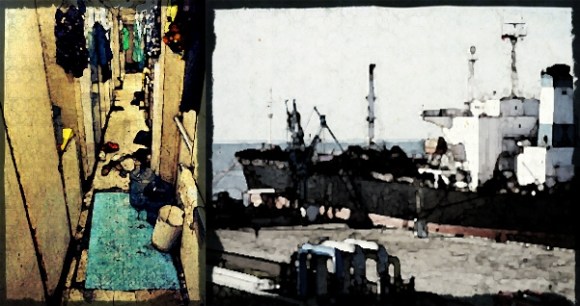
ITF Uncovers Appalling Conditions Onboard Vessels
Sixty seven inspections in one week in designated ports in Thailand, Singapore, Indonesia and Philippines led to notices of warnings being issued to errant companies and unpaid wage claims. This latest ITF campaign to protect conditions for seafarers working on vessels in South East Asia resulted in the discovery of several abuses between 21-25 January.
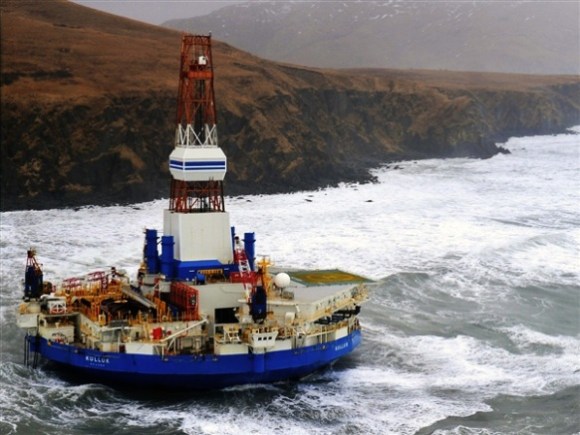
Shell Halts Alaska Drilling Program
During the last week of February Shell announced it will pause its exploration drilling activity for 2013 in Alaska’s Beaufort and Chukchi Seas to prepare equipment and plans for a resumption of activity at a later stage.
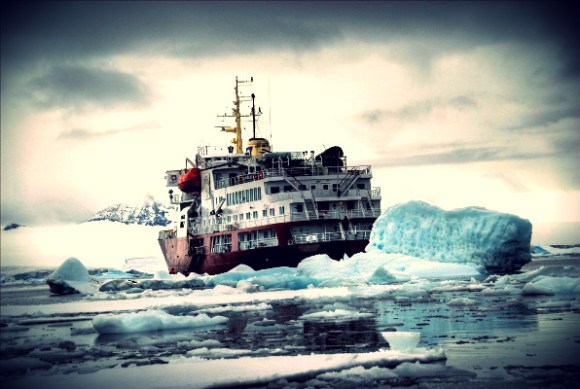
Global Warming Will Open New Shipping Routes in Arctic
A new UCLA research shows that shipping lanes through the Arctic Ocean won’t put the Suez and Panama canals out of business anytime soon, but global warming will make these frigid routes much more accessible than ever imagined by melting an unprecedented amount of sea ice during the late summer.
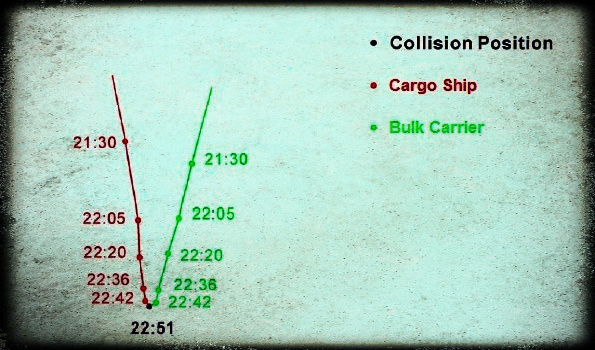
Fatal Bulk Carrier and Cargo Ship Collision – Investigation Report
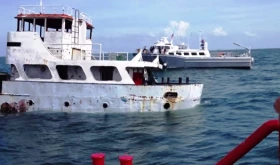
At about 2251 local time on 17 March 2007, a Hong Kong general cargo ship collided with a Chinese registered bulk carrier. At the time of the accident, the weather conditions were fine with northerly wind at force 4. The sea was moderate and the visibility was about 7 nautical miles (n.m.). The Bulk Carrier sustained damages to the bow and the Cargo Ship sank shortly after the collision. Twelve crew members of the Cargo Ship were rescued. Eight crew members were found missing and nine crew members were drowned.
Engine Room Fire on Mobile Offshore Unit
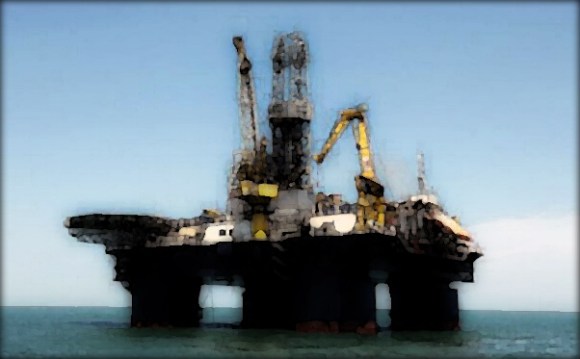
A fire occurred in the port engine room of a semi-submersible drilling unit whilst carrying out exploration drilling in Norwegian waters. The fire was indicated by alarms in the control room and confirmed by attending personnel. The engine room was successfully isolated manually after approximately 35 minutes, and the halon system was then activated. This, however, did not completely extinguish the fire, which re-ignited. The fire was eventually extinguished some 7 hours after the initial alarm.
Paris MoU Detention Report for Cargo Ship MV Olga
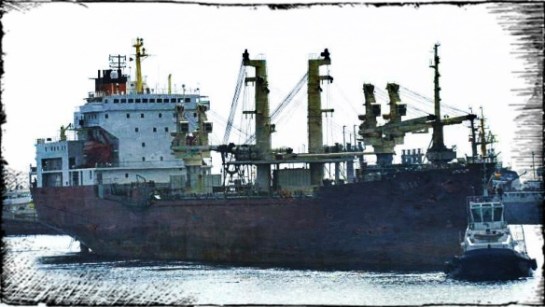
When boarding the ship, the PSCO immediately noticed clear grounds for a more detailed inspection of the ship’s safety standard and general condition. The PSCO found that the maintenance of especially the accommodation and the ship’s deck areas were so poor that the ship should be considered substandard.