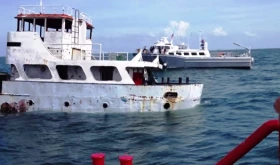
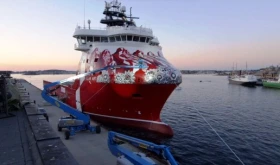
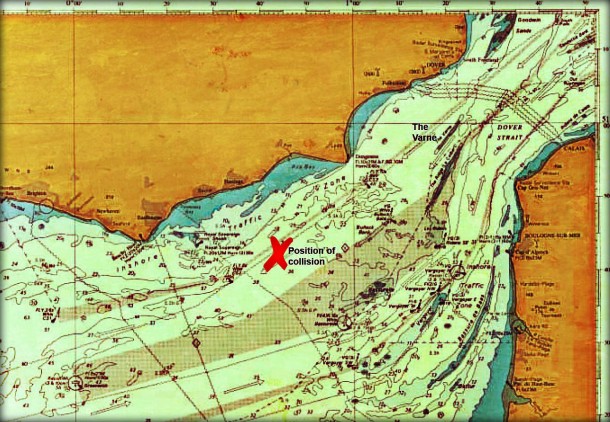
On 9 October 2001, the 1009 gt general cargo ship Ash was en route from Odense, Denmark, to the Spanish port of Pasajes, with a cargo of steel coils. She had six crew on board and was making a speed of about 6.25 knots over the ground in the south-west traffic lane of the Dover Strait TSS to the south-east of Hastings. The 4,671 gt chemical tanker Dutch Aquamarine was also on passage in the same traffic lane, en route from Antwerp to Swansea. She had a mixed chemical cargo and a crew of 12 on board. She was making about 12.5 knots over the ground. Despite the fact that the weather was fine and the visibility good the watchkeeper on Dutch Aquamarine did not notice Ash in the period immediately before the collision until she was very close and right ahead. Ash was holed in the collision, she listed quickly to starboard, capsized and sank. The six persons on board jumped into the water and five of them were rescued by Dutch Aquamarine’s fast rescue craft.
Collision Between General Cargo Ship and Chemical Tanker in Dover Strait TSS – Investigation Report
Information on Managing Risk While Transporting Fumigated Cargo
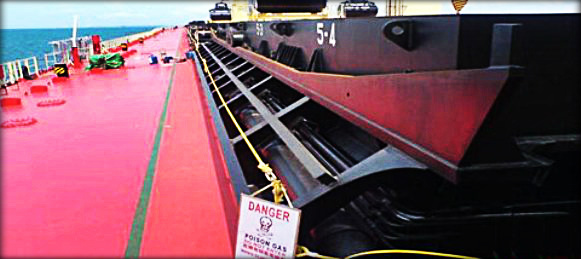
This incident information refers to the transportation of fumigated cargoes and how to manage risk resulting from such kind of cargoes. A bulk carrier was carrying a wheat cargo between two ports in Europe. The cargo was fumigated with phosphine gas during the voyage to protect it from insects and rodents. The gas somehow reached the crew’s cabins and a 22-year-old Latvian crew member died from exposure to the gas.
Ballast Water Treatment Systems Selection and Use
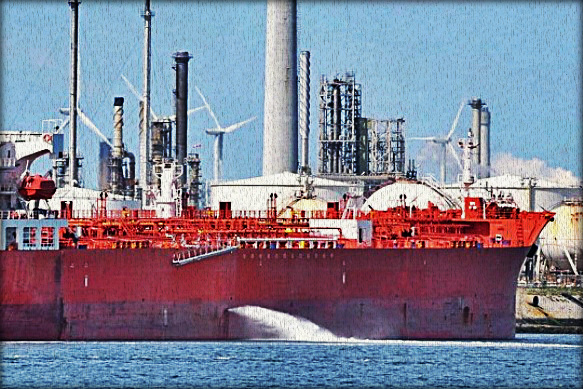
If someone wonders why to install a Ballast Water Treatment System, the answer is that it has to do with legislation; one comes from IMO and the other one from USCG. These two are the driving force for all of the suppliers to develop a system and for the shipowners to install a system at some point from today until 2016 and onwards. But before choosing a system, the available technologies have to be checked. I dare to say that nowadays the technologies are pretty mature and there are quite a few of them, so many choices exist for different shipowners, types of vessels and trading routes.
Gas Exporting Countries Gathered in Moscow for Influential Forum
Members of the influential Gas Exporting Countries Forum (GECF) gathered in Moscow 1-2 July 2013. Long-term contracts and infrastructure projects were high on the agenda. The GECF is an international club of major natural gas exporters including Russia, Iran, Qatar, Libya and Venezuela. Exporters strive to guarantee the stability of gas supplies, open new markets for this clean energy source and provide a balanced risk sharing mechanism between producers and consumers.
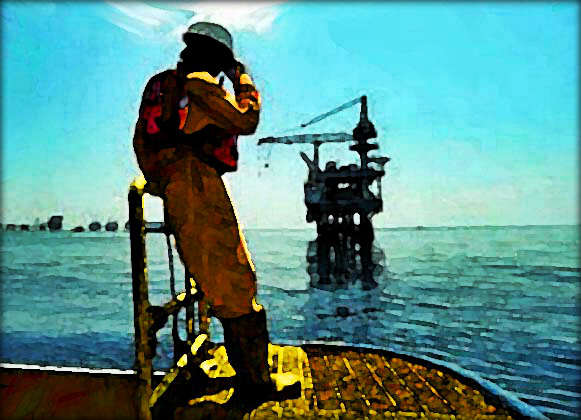
Fatal Injuries in Offshore Oil and Gas Operations US 2003–2010
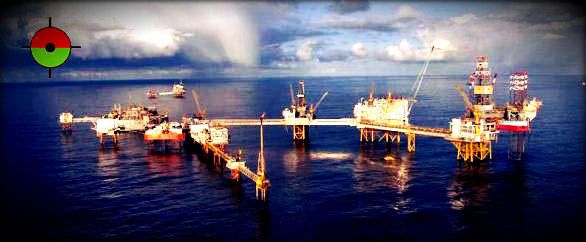
During 2003–2010, the U.S. oil and gas extraction industry (onshore and offshore, combined) had a collective fatality rate seven times higher than for all U.S. workers (27.1 versus 3.8 deaths per 100,000 workers). The 11 lives lost in the 2010 Deepwater Horizon explosion provide a reminder of the hazards involved in offshore drilling. To identify risk factors to offshore oil and gas extraction workers, US CDC analyzed data from the Bureau of Labor Statistics (BLS) Census of Fatal Occupational Injuries (CFOI), a comprehensive database of fatal work injuries, for the period 2003–2010. The following findings of US CDC report describe the results of that analysis, which found that 128 fatalities in activities related to offshore oil and gas operations occurred during this period. Transportation events were the leading cause (65 [51%]); the majority of these involved aircraft (49 [75%]). Nearly one fourth (31 [24%]) of the fatalities occurred among workers whose occupations were classified as “transportation and material moving”.
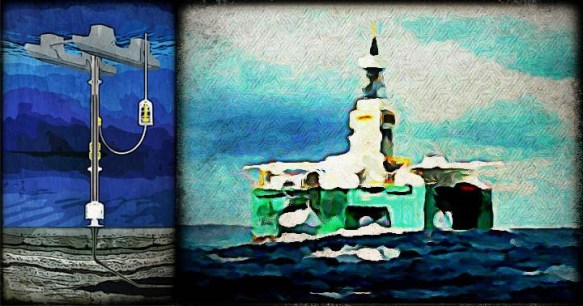
Riser Disconnect and Blowout – Incident Investigation
This accident investigation report refers to the accidental riser disconnect and subsequent uncontrolled flow during drilling operations which occurred on Mississippi Canyon Block 538 in February 2000. The Ocean Concord (semi-submersible mobile offshore drilling unit) was in the process of running a liner on drill pipe when the lower marine riser package (LMRP) was inadvertently disconnected from the blowout preventer (BOP) stack. The disconnect resulted in the discharge to the sea of approximately 806 barrels of synthetic mud from the riser and 150 barrels of synthetic mud and 150-200 barrels of crude oil from the wellbore.