Today the Maritime Labour Convention, MLC 2006, officially enters into force. The MLC was established during 2006 as the Fourth pillar of the international maritime law, the other three pillars are the SOLAS, STCW and MARPOL. A lot has been written about the subject and the general “atmosphere” that has been maintained in the industry is that the convention is for the good of the seafarers and a powerful tool to help them defend their rights. In May 1, the International Workers’ Day, the Officer of the Watch blog started a poll about what our readers believe regarding the MLC by simply asking if it will improve the seafarers’ life onboard.
IMO MEPC 65 Decisions Summary
The Marine Environment Protection Committee (MEPC) of the International Maritime Organization (IMO) met for its 65th session from 13 to 17 May 2013, at IMO Headquarters in London. Among others the Committee made significant progress in its work on further developing energy-efficiency regulations, adopting a MEPC Resolution on Promotion of Technical Co-operation and Transfer of Technology relating to the Improvement of Energy Efficiency of Ships and giving the go-ahead to carry out an update to the greenhouse gas (GHG) emissions’ estimate for international shipping. Moreover, a draft Assembly resolution to address the implementation of the Ballast Water Management convention has been approved and approved a number of ballast water treatment systems.
Incident Information on Broken Rudderstock due to Corrosion Fatigue
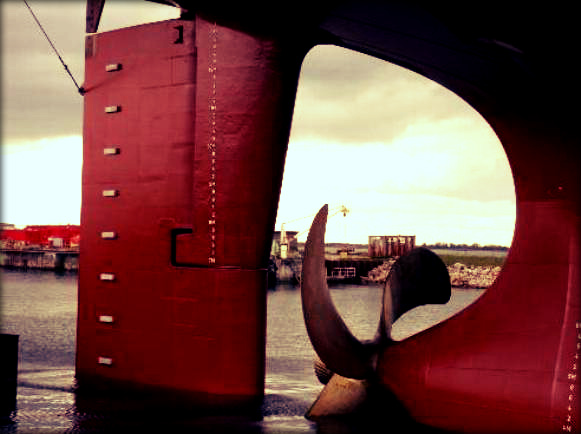
This incident refers to a broken rudderstock due to corrosion fatigue. While at sea, the steering failed to respond. Investigations revealed that the rudder was not ίn the position as indicated by the rudder angle indicator on the bridge and in the steering gear room. An underwater inspection was carried out and the rudder was found to have an angle of 90 degrees to port. The rudder was temporarily secured, and the vessel was subsequent!y towed to the port for close-up inspection in dry-dock and for permanent repairs.
Quality Criteria for HazMat Expert Parties Involved in IHM and HazMat Surveys
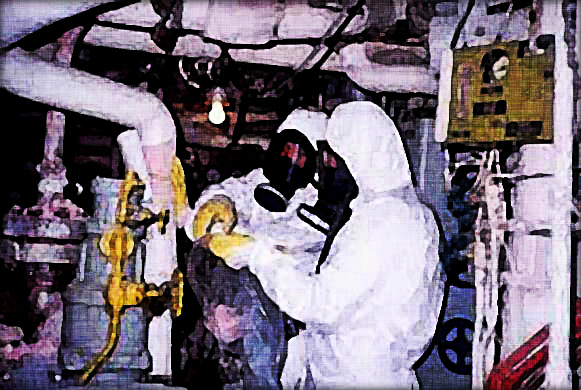
The environmental hot topics in shipping industry these days are the emissions of ships, the ballast water management and the third one which is the one to be analysed below, is the Hazardous Materials (HazMat) Life Cycle Management and Recycling. Although the Hong Kong Convention is not yet in force as it is known, there is a lot of experience collected from Germanischer Lloyd classification society, in scope of the quality criteria for HazMat Expert parties involved and the HazMat Surveys.
ReCAAP Half Yearly Report for 2013
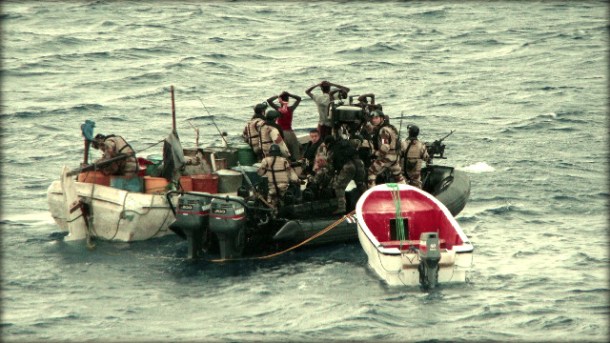
Last month ReCAAP ISC released its half yearly report for 2013. The overall situation of piracy and armed robbery against ships in Asia during the first half of 2013 has improved. A total of 57 incidents comprising 54 actual incidents and three attempted incidents, were reported during the period of January-June 2013 compared to 64 incidents reported during the same period in 2012.
ITF Report on Challenges Faced by Black Sea Seafarers
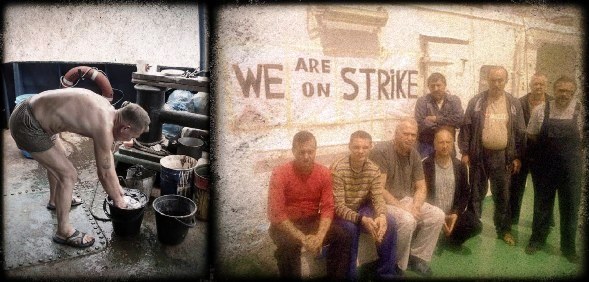
For some time concern has been growing about the frequency of serious accidents and the repeated appeals from seafarers in difficulty on vessels trading in the Black Sea area. Black sea trade is characterized by older, smaller ships, often trading beyond their expected economic life in circumstances that can undermine safe and secure employment practices. Since the entry into force date (20 August 2013) of the ILO Maritime Labour Convention 2006 (MLC) is getting nearer, we would like to highlight a report that has been prepared from seafarers’ unions from the Black Sea area affiliated to the International Workers’ Federation (ITF).
Incident Information on Contamination of Main Engine Lubrication Oil by Seawater
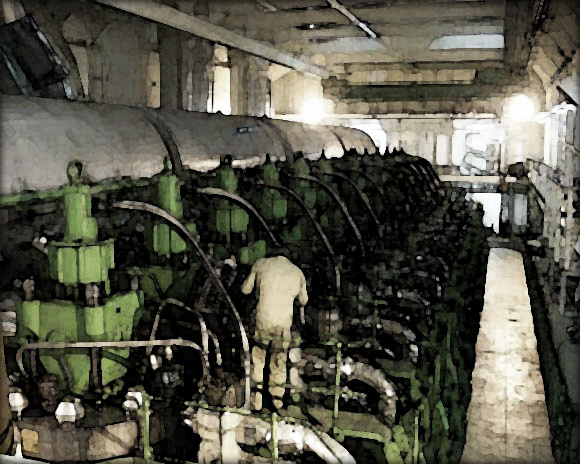
This incident refers to the contamination of a ship’s main engine by seawater. The engine room bilges became flooded due to a leaking sea water pipe. Proper actions were not taken when the alarm sounded, so the leakage was first discovered when water had reached the engine room floor plates. Consequently, the leakage was stopped, bilges emptied and the ship resumed its voyage. Shortly after resuming the voyage, the main engine stopped due to low lubrication oil pressure.
LNG – Strategic Challenge for the Mediterranean Shipping
The approach of LNG is something rather new; it is the chicken and the egg issue. Do we need firstly the terminal, do we need firstly the fuel, do we have the appropriate ships? In order to take the decision, we need both the ships and also the terminals for LNG. I would like to highlight the important factors to be considered; social perception, financial issues, regulatory and authorization aspects, logistics scenario and the technical solutions.
The Probability of an Offshore Accident
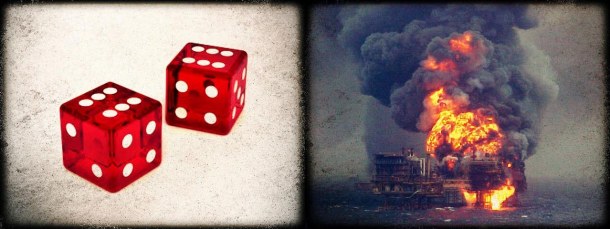
Risk is the product of frequency and consequence. Accordingly, high consequence events which occur infrequently may contribute as much risk as frequent events which have smaller consequences. Estimating the frequency with which events occur is as important to overall risk as accurately predicting the consequences. One way of estimating frequency is to look at historical records. The information presented below are an abstract from the “Safety of offshore oil & gas Impact Assessment Annex I” working paper from the European Commission, published in 2011 to accompany the proposal for a regulation of the European Parliament on safety of offshore oil and gas prospection, exploration and production activities.
Incident Information on Fatal Accident with Lifting Appliance
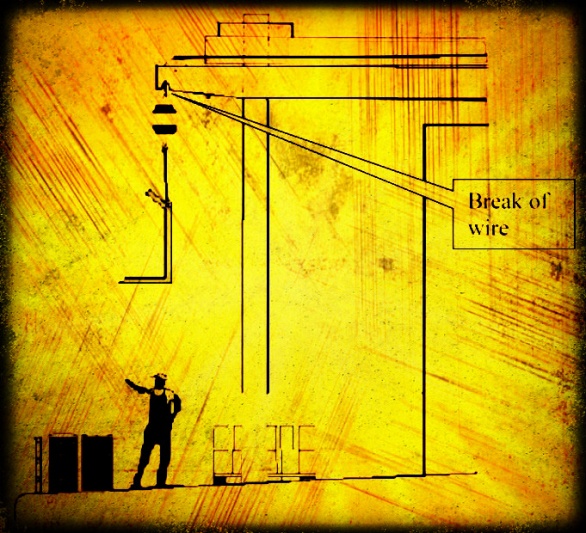
This incident information refers to a fatal accident involving a lifting appliance. A provision crane loaded pallets onboard a vessel using a pallet fork. After landing the pallet on the vessel’s deck, the pallet fork was cleared and the crane operator moved the crane outward to pick up new load. During this operation, the crane wire broke and the pallet fork and the hook fell down and hit one of the crewmembers on the vessel. Despite the effort of the vessel’s own crew, dedicated first aid personnel and a doctor, the injured person died shortly after the accident.