Monthly Piracy Report for March 2014
April 18, 2014 by Leave a Comment
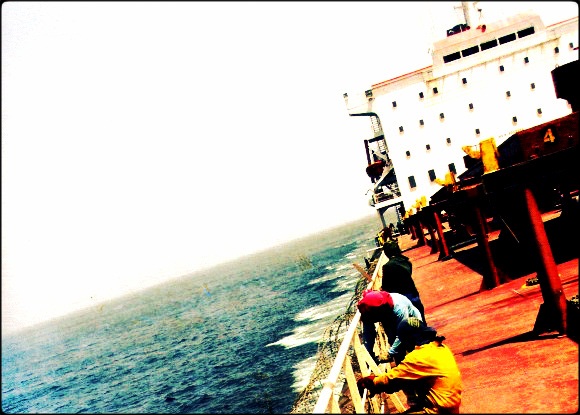
Incidents off the West African coast are currently slightly higher than in Southeast Asia, a position last held by West Africa in 2008, the year in which a total of 39 crew members were kidnapped for ransom off various vessels mostly in the oil industry in Nigeria. Up until the date this report is being published the areas of maritime piracy related incidents worldwide are as follows:
- East Africa: 2
- Malacca Strait: 7
- South China Sea: 1
- West Africa: 4
- Indian Ocean: 2
- Persian Gulf: 1
Data in Real Time Key To Savings
April 18, 2014 by Leave a Comment
The future of shipping lies in having the technological expertise to measure vessel performance in order to achieve optimal fuel efficiencies and support regulatory demands. Given the increasing fuel costs and environmental pressures on compliance, freight rates are now very close to operating costs, leading to razor-thin margins, and, in many cases, operating losses. It is not surprising that given the confluence of business conditions in the maritime industry, companies are finding themselves in troubled waters and many facing extinction unless vessel management is accompanied by a more intelligent approach to achieving operational efficiencies.

LNG Terminal Logistics (Part 1)
April 17, 2014 by Leave a Comment
Today, we’ll have a look at why LNG terminal logistics is important, and why it is going to be even more important in the future. In Part 2 of this article, we’ll look at some very basic mathematics explaining the logistics of a multi-user terminal. In Part 3, we’ll take a look at slot management and how this puzzle can cause headaches.

Wreck-Removal Convention to Enter Into Force
April 16, 2014 by 1 Comment
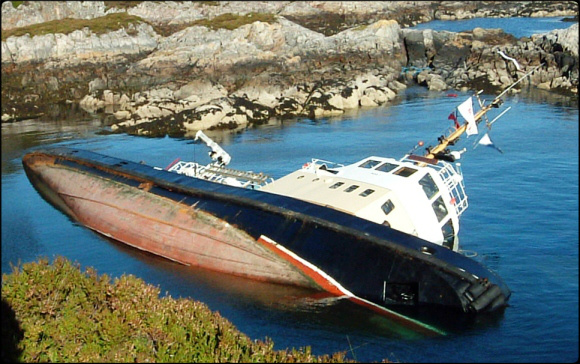
The Nairobi International Convention on the Removal Wrecks will enter into force on 14 April 2015 following the deposit, on 14 April 2014, of an instrument of ratification by Denmark, with the International Maritime Organization (IMO).
Russian Sanctions and the Negative Effect on Global Energy Security
April 16, 2014 by Leave a Comment
After a series of headline-grabbing statements about the possibility of “switching” European consumers over to American gas, the US media hastened to announce the launch of Obama’s oil and gas offensive against Russia. In reality the EU is not currently prepared, neither technically nor in terms of price, to buy its energy resources from the US. It would take at least ten years to adapt even the technically advanced German energy system to work with American gas supply. In a crisis, when it is particularly urgent to see a quick return on an investment, such projects are unrealistic.

Quantifying Arctic Shipping Risk through Case Studies
April 14, 2014 by Leave a Comment
Shipping activities in Arctic areas are certain to increase in the years to come and, as the Arctic is a challenging and diverse environment, knowing how to manage its risks will be crucial. Through case studies, DNV GL has estimated that the risk is nearly 30 per cent higher for a cruise ship and almost 15 per cent higher for a bulk carrier compared to more conventional routes.

General Cargo Ship Grounded While Avoiding Ice – Investigation Report
April 14, 2014 by Leave a Comment
This investigation report is referring to the grounding of a general cargo ship which was caused while trying to evade blocks of ice on the sea. On the morning of 16 August 2012, the container ship VEGA SAGITTARIUS departed from the port of Nuuk, Greenland, heading for Aasiaat in the north-western part of Greenland. Approximately one hour after departure, the watch keeping officer changed course in order to avoid drifting ice ahead and shortly after, the ship ran aground on a submerged rock by the entrance to Godthåbsfjorden.

Poor Ship-Recycling Practices are Poisoning Asian Beaches
April 14, 2014 by Leave a Comment
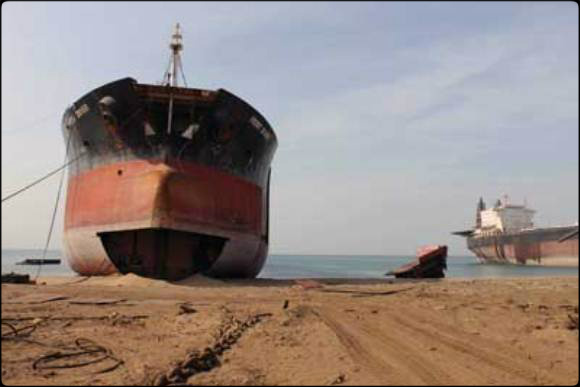
In 2012 more than 1300 ocean-going ships were sold for breaking. Only a minority of these end-of-life vessels were handled in a safe, sustainable manner. About two thirds of the ships were simply run ashore on tidal beaches in India, Bangladesh and Pakistan. This article takes a look at how ship recycling can become cleaner and safer.
IMO and Bangladesh Collaborate to Improve Ship-Recycling
April 13, 2014 by Leave a Comment
The International Maritime Organization (IMO) and the Government of the People’s Republic of Bangladesh have signed a landmark agreement to work together to improve safety and environmental standards in the country’s ship-recycling industry.






 Officer of the Watch