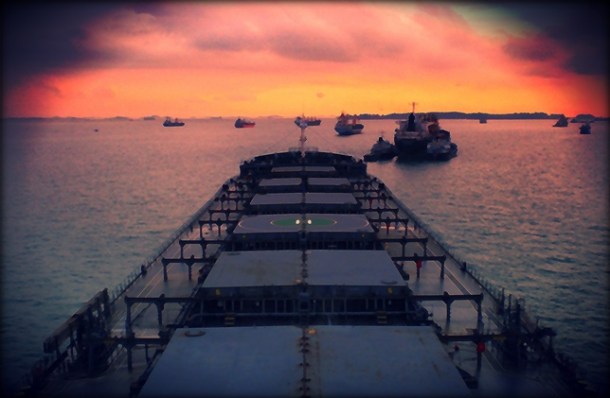
Reducing emissions from ocean-going vessels as they sail near populated areas is a widely recognized goal, and vessel speed reduction regulations is one of several strategies that is being adopted by regulators and port authorities. A Californian research shows that slowing the speed of cargo ships near coastlines could dramatically cut ships’ air pollution.
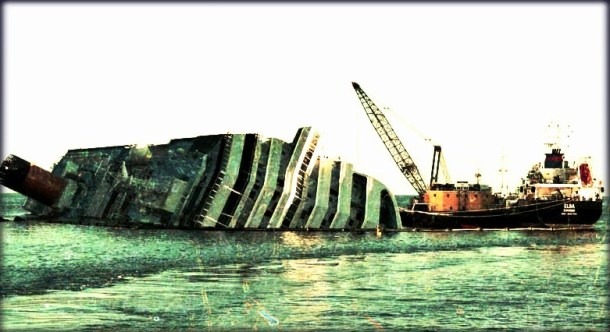
Costa Concordia Salvage Operations
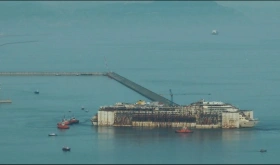
An American-owned specialist marine salvage and wreck removal company Titan Salvage alongside with Italian firm Micoperi have been awarded a Costa Concordia wreck removal contract in April. Together they presented a plan to refloat and tow away the cruise ship to one of the Italian ports where she will likely be scrapped. According to Carnival Cruise the salvage plan is the world’s biggest and most complex ship salvage operation and it will cost at least 400 million euros ($525 million).
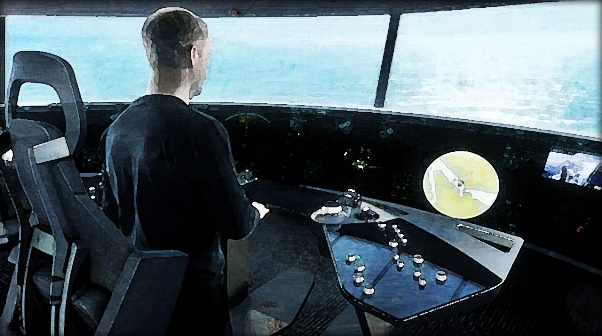
Radical New Bridge Design
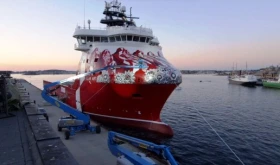
Focused on creating better, safer and simpler solutions for deck officers, Ulstein has come up with what it claims to be a ground-breaking concept for bridge design. The new bridge design redefines how users interact with complex bridge-based systems. The ambitious scope of the project called for a collaborative approach prompting the Ulstein team to engage industrial, graphic and interaction designers from The Oslo School of Architecture and Design (AHO).
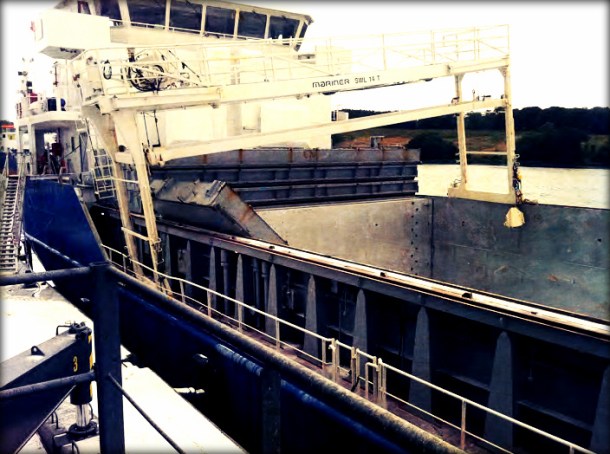
Derailment of On Board Hatch-Lid Gantry Crane – Investigation Report
On 22 July 2011, the hatch-lid gantry crane on board the dry cargo vessel Blue Note derailed while it was carrying a single hatch-lid to its stowed position in preparation for discharging cargo. The derailment caused the chief officer, who had been riding on one of the crane’s wheel units, to be thrown overboard; an able seaman, who had been riding on another wheel unit, to be left hanging by his hands over the 8.4m deep hold; and the second officer, who was operating the crane, to fall to the deck of the control platform. All three crewmen were lucky to escape with only minor injuries.
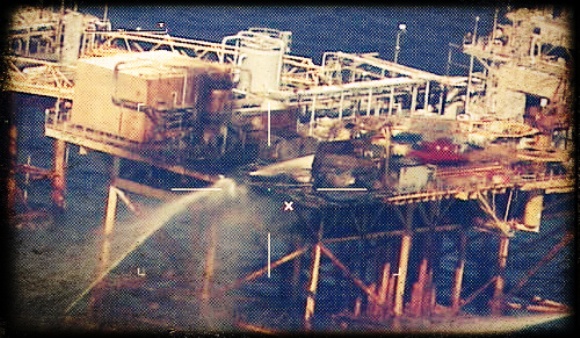
Black Elk Energy Offshore Platform Explosion in Gulf of Mexico
Coast Guard crews are searching for two missing crewmembers following a platform explosion approximately 20 miles southeast of Grand Isle, last Friday morning. Eleven crewmembers have been medevaced from the Black Elk Energy-owned platform to various local hospitals. Nine additional crewmembers were safely evacuated off the platform. The fire has been extinguished, and a sheen has been spotted in the area. The Coast Guard is searching approximately a 1,400 square-mile area around the platform.
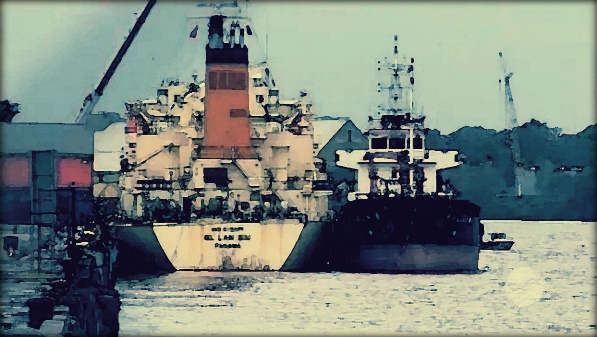
GL Lan Xiu Owner fined $60,000 for Brisbane River Oil Spill
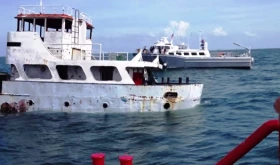
The MV GL Lan Xiu, which was carrying 2000 head of livestock, was refuelling at Hamilton in Brisbane in January when an accidental oil spill occurred. It took less than five minutes for about 4.5 tonnes of oil to spew into the Brisbane River after a valve was not closed properly. The vessel’s owner of the ship that has caused the oil spill in the Brisbane River has been fined $60,000.
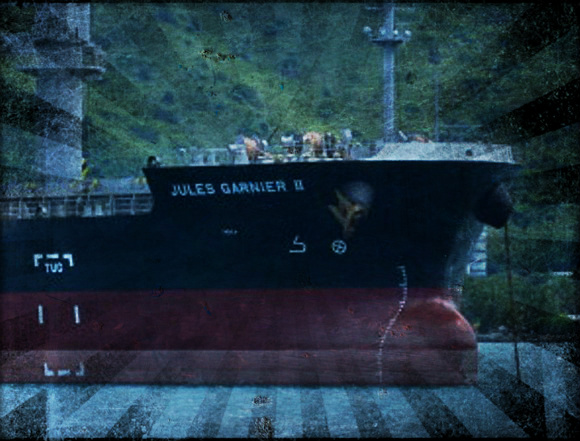
Specialized Vessel for the Carriage of Nickel Ore
The world’s first specialized vessel for the carriage of Nickel Ore has been built and registered to the NK class. The vessel, the Jules Garnier II, was built by Naikai Zosen Corporation and delivered to Japanese shipping major JX Shipping Co. Ltd on 19 September 2012, and is the first vessel in the world to be recognized as a Specially Constructed Cargo Ship for the carriage of Nickel Ore in accordance with the IMO’s IMSBC Code. The 27,200 dwt Jules Garnier II is the first vessel in the world to apply ClassNK’s new requirements in its construction and makes use longitudinal bulkheads in in its cargo holds to ensure stability and structural strength even when liquefied nickel ore cargoes are loaded.
Questionnaire on Maritime Training Quality
If you are a seafarer, tutor, lecturer, trainer, training manager, ship manager or ship owner, then you could help GlobalMET in collecting information and opinions on the quality of maritime education and training by completed one of the three questionnaires that can be found HERE. The purpose of these questionnaires is to gain a clearer insight into maritime education and training standards and perceptions. The intended output from this questionnaire and further research will be a best-practice guidance document based upon the OCIMF tanker management self-assessment model.
Sources: IMAREST