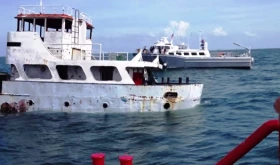
For some time concern has been growing about the frequency of serious accidents and the repeated appeals from seafarers in difficulty on vessels trading in the Black Sea area. Black sea trade is characterized by older, smaller ships, often trading beyond their expected economic life in circumstances that can undermine safe and secure employment practices. Since the entry into force date (20 August 2013) of the ILO Maritime Labour Convention 2006 (MLC) is getting nearer, we would like to highlight a report that has been prepared from seafarers’ unions from the Black Sea area affiliated to the International Workers’ Federation (ITF).

Attempts for Pilot Disembarkation in Rough Sea Cause Bulk Carrier Grounding – Investigation Report
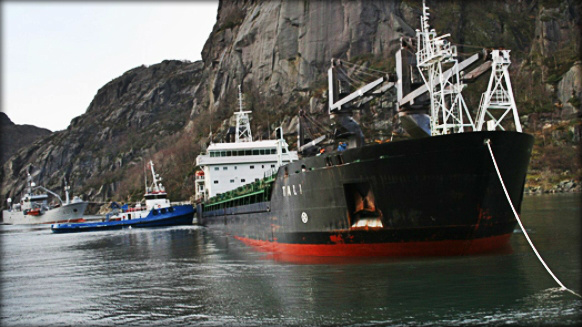
This investigation report refers to the grounding pf MV TALI off the coast of Norway on 29 January 2008. In an attempt to disembark the pilot in rough sea resulted in the rudder and the propeller of the vessel being damaged, moreover the propeller shaft moved outwards in such a way that the vessel started making water through the shaft tube. The engine room was filled with water to a height of ten metres, and the vessel lost its manoeuvrability.
Incident Information on Contamination of Main Engine Lubrication Oil by Seawater
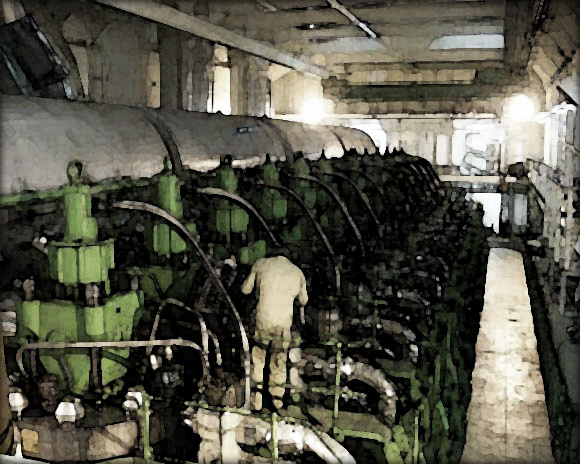
This incident refers to the contamination of a ship’s main engine by seawater. The engine room bilges became flooded due to a leaking sea water pipe. Proper actions were not taken when the alarm sounded, so the leakage was first discovered when water had reached the engine room floor plates. Consequently, the leakage was stopped, bilges emptied and the ship resumed its voyage. Shortly after resuming the voyage, the main engine stopped due to low lubrication oil pressure.
LNG – Strategic Challenge for the Mediterranean Shipping
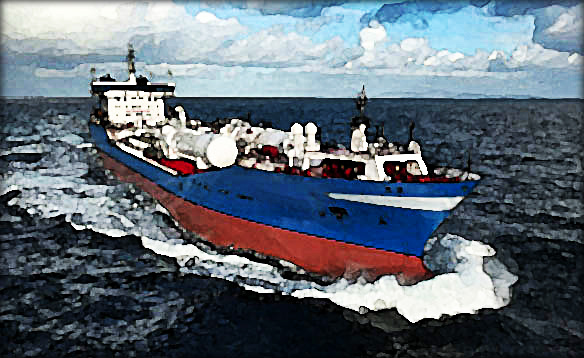
The approach of LNG is something rather new; it is the chicken and the egg issue. Do we need firstly the terminal, do we need firstly the fuel, do we have the appropriate ships? In order to take the decision, we need both the ships and also the terminals for LNG. I would like to highlight the important factors to be considered; social perception, financial issues, regulatory and authorization aspects, logistics scenario and the technical solutions.
Monthly Piracy Report July 2013
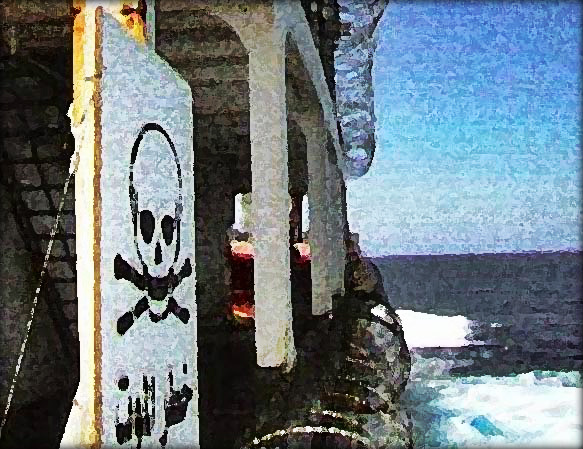
All information presented below are retrieved from ICC Commercial Crime Services (CCS) and IMO Global Integrated Shipping Information System. Information are being updated on a monthly basis.
- Total Incidents Worldwide: 143
- Total Hijackings Worldwide: 2
- Somali related Incidents: 9
- Vessels held by Somali Pirates: 4
- Hostages held by Somali Pirates: 68
- Nigeria related Incidents: 22
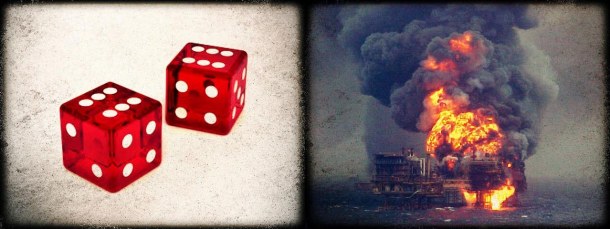
The Probability of an Offshore Accident
Risk is the product of frequency and consequence. Accordingly, high consequence events which occur infrequently may contribute as much risk as frequent events which have smaller consequences. Estimating the frequency with which events occur is as important to overall risk as accurately predicting the consequences. One way of estimating frequency is to look at historical records. The information presented below are an abstract from the “Safety of offshore oil & gas Impact Assessment Annex I” working paper from the European Commission, published in 2011 to accompany the proposal for a regulation of the European Parliament on safety of offshore oil and gas prospection, exploration and production activities.
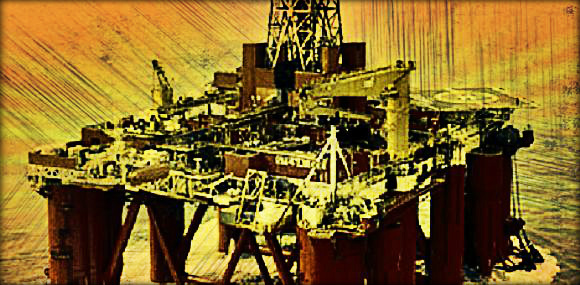
Fire on Offshore Platform Caused by HVAC Unit – Investigation Report
This investigation report refers to the fire that broke out on Songa Dee on 4 December 2007. At 13.52 hours on 4 December 2007, the fire alarm sounded on the Songa Dee. The living quarters and important rooms such as the radio room, control room and emergency preparedness center were efficiently evacuated during the course of a few minutes. The fire was located in HVAC Unit No.2 and large parts of the living quarters were filled with thick smoke from the cooling and filter unit in the HVAC system. No one was injured during the incident, but the rapid, intense spread of smoke means that the incident is classified as a potential major accident.