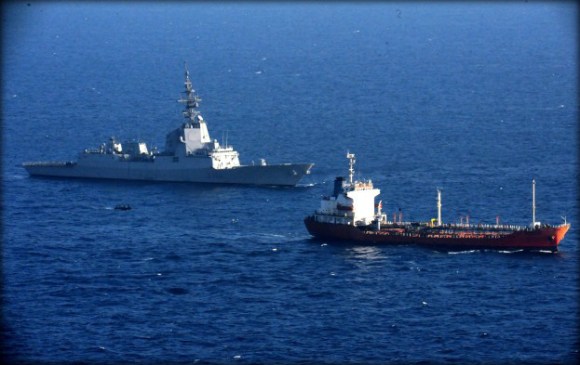
On 8 March 2013 EU Naval Force (EU NAVFOR) flagship ESPS Méndez Núnez provided assistance to the crew of chemical tanker Royal Grace after the vessel was unexpectedly released by Somali pirates. The pirates had held the vessel after attacking it over a year earlier, on 2 March 2012 in the Gulf of Oman.
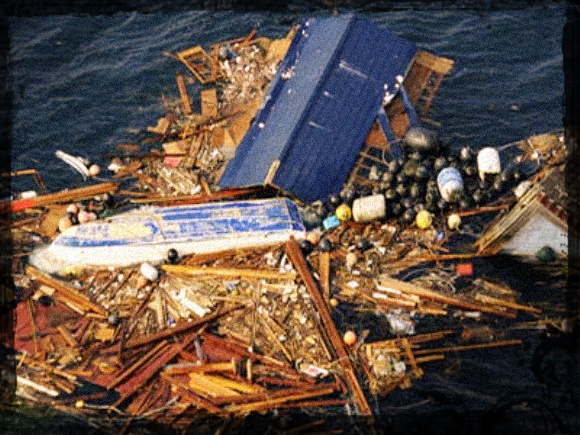
Japanese 2011 Tsunami Debris a Hazard for Shipping the Next Decades
The tsunami that ravaged northeast Japan in March 2011 created the biggest single dumping of rubbish, sweeping some five million tonnes of shattered buildings, cars, household goods and other rubble into the sea. According to Japanese estimates about three-and-a-half million tonnes, sank immediately, leaving some 1.5 million tonnes of plastic, timber, fishing nets, shipping containers, industrial scrap and innumerable other objects to float deeper into the ocean.
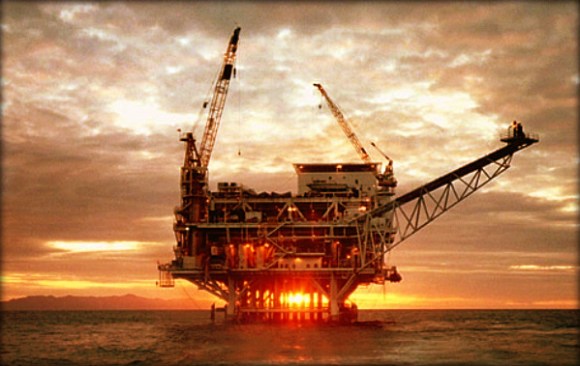
Oil and Gas Sector Outlook for 2013
The oil and gas sector is increasingly turning to technology to plug rapidly growing skills gaps, according to a new report on industry sentiment for the year ahead. GL Noble Denton’s new “Seismic Shifts” report on the future of the oil and gas sector has revealed that industry leaders are confident for significant industry growth in 2013. But, despite this optimism, major concerns are emerging over an industry skills meltdown, tougher operating environments and increasing risk and regulatory hurdles.
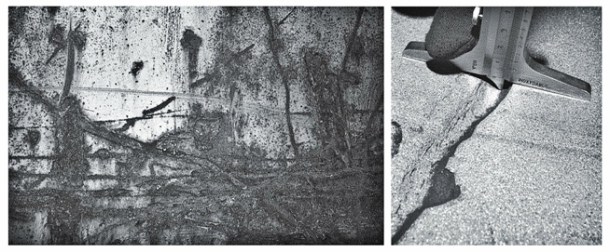
Corrosive Cargo in Holds
Upon survey of all cargo holds after a transport of sulphur cargo, serious corrosion was found. On the inclined plates of the hopper tanks and the lower stool of the transverse bulkhead, extensive damage in shape of groove corrosion was found with depth up to 9mm in places. This incident information refers to a 17,427 GRT Bulk Carrier in 1997.
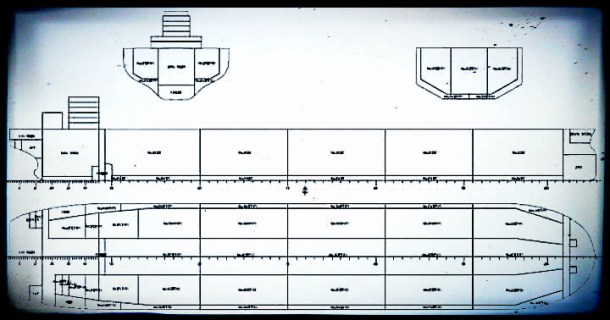
Minimal Ballast Water VLCC Design
On 25 February 2013 Namura Shipbuilding acquired AIP (Approval in Principle) from NKK regarding the MIBS (Minimal Ballast water Ship) VLCC project, for which the company has been working for years together with Shipbuilding Research Centre of Japan and with the support of Japanese Government. This tanker design reduces the weight of ballast water required by about 65 percent compared with a conventional hull form.
Cargo Ship Jolly Nero Crashed Into Genoa Port Control Tower
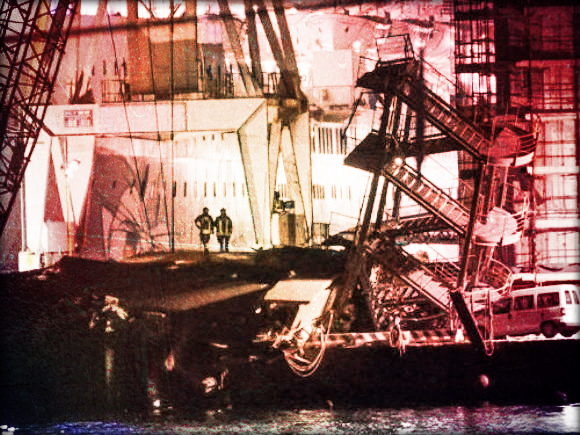
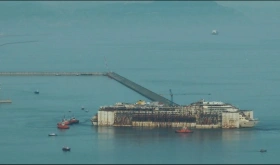
Three people have died and six people are missing after the cargo ship Jolly Nero crashed into the port in Genoa, Italy, toppling part of the control tower into the water.
Europe’s LeaderSHIP 2020
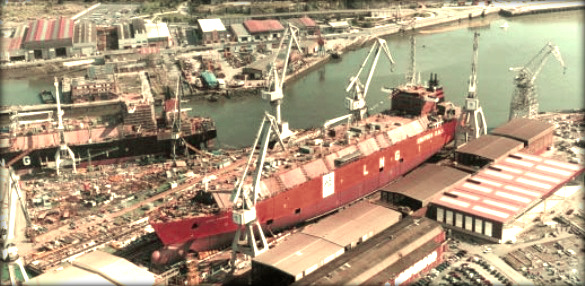
Europe’s LeaderSHIP 2020 strategy to increase the competitiveness of European maritime technology is the result of a close co-operation between the industry, the trade unions, maritime regions, Member States and the European Commission. The European ships and maritime equipment industry employs more than 500,000 people and has an average annual turnover of around €72bn but faces strong competition, and, like many other industries, the effects of an unprecedented crisis.
Buckling of Bulkheads During Steaming of Tank
A vessel was being prepared for Methanol loading by steaming out the cargo tanks for chloride removal. After steaming out the cargo tank, the duty officer went inside the tank for inspection and found deformed bulkheads.
MLC 2006 Enforcement through Port State Control Inspections in Ports (MLC Regulation 5.2.1)
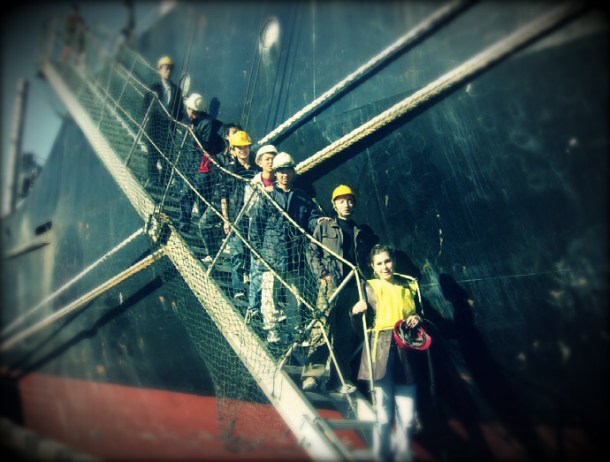
The Maritime Labour Convention, 2006 (MLC 2006) was adopted by the International Labour Conference of the International Labour Organization (ILO), under article 19 of its Constitution, during a maritime session in February 2006 in Geneva. The aim of the current article is to analyze MLC regulation 5.2.1 regarding inspections in ports. In other words it will be discussed how member states which have ratified the MLC will enforce it through Port State Control (PSC) procedures.
Rena Wreck Site Reef Contamination
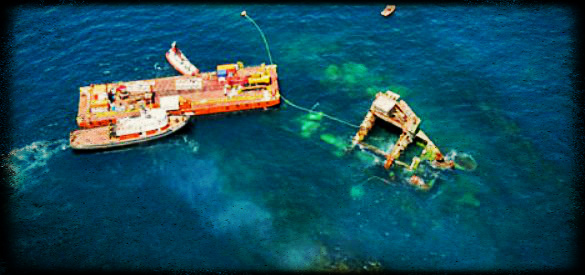
Testing of the area around the sunken stern of the shipwrecked Rena has confirmed fears of elevated level of contaminants around the wreck. The presence of contaminants around the site had been expected and the samples are now undergoing further testing. According to Professor Chris Battershill from the University of Waikato sediment samples have shown elevated levels of contaminants including copper and PAH’s (polyaromatic hydrocarbons) which are known contaminants that were lost to sea from the Rena and its cargo. Early indications are that the contamination is localised.