Typical Cracks in Deck of Oil Tankers
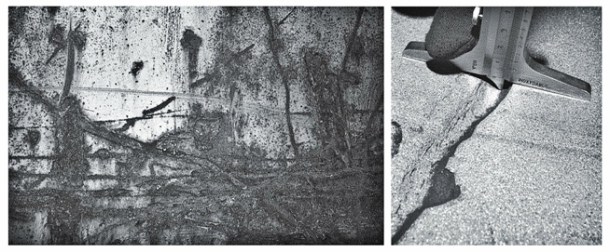
Cracks in deck plating in way of deck penetrations of oil tankers has been an increasing problem and is typical on vessels with high strength steel in deck and most typically found on Buoy loading Oil Tankers trading in the North Sea. The damaged areas (as shown in this post) were limited to cracks in the upper deck plating in way of the pipe penetrations resulting in small leaks, but could easily have resulted in more serious damage to the deck structure and the safety of the ship if left unattended over time.

MT Royal Grace Released from Somali Pirates
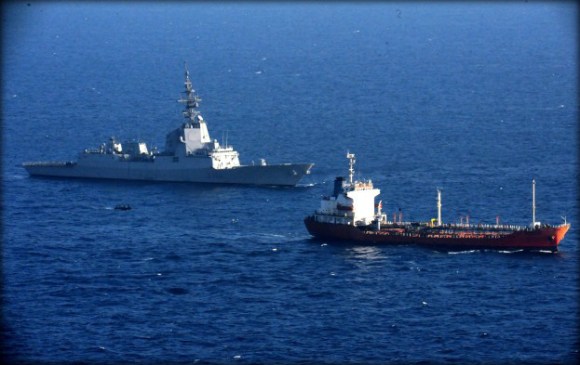
On 8 March 2013 EU Naval Force (EU NAVFOR) flagship ESPS Méndez Núnez provided assistance to the crew of chemical tanker Royal Grace after the vessel was unexpectedly released by Somali pirates. The pirates had held the vessel after attacking it over a year earlier, on 2 March 2012 in the Gulf of Oman.
Japanese 2011 Tsunami Debris a Hazard for Shipping the Next Decades
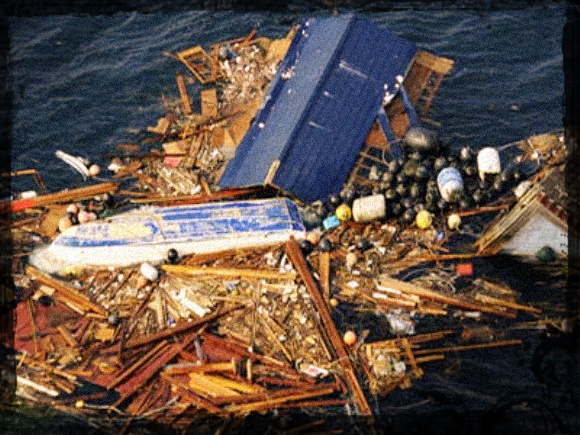
The tsunami that ravaged northeast Japan in March 2011 created the biggest single dumping of rubbish, sweeping some five million tonnes of shattered buildings, cars, household goods and other rubble into the sea. According to Japanese estimates about three-and-a-half million tonnes, sank immediately, leaving some 1.5 million tonnes of plastic, timber, fishing nets, shipping containers, industrial scrap and innumerable other objects to float deeper into the ocean.
Oil and Gas Sector Outlook for 2013
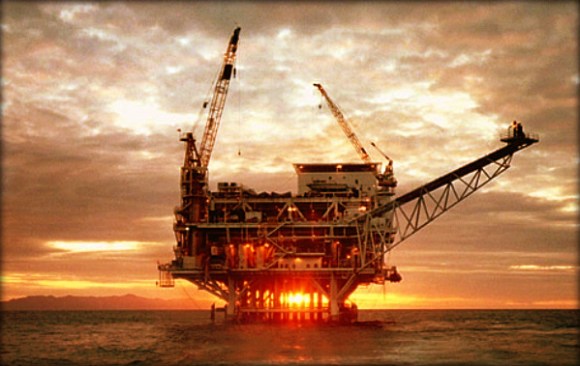
The oil and gas sector is increasingly turning to technology to plug rapidly growing skills gaps, according to a new report on industry sentiment for the year ahead. GL Noble Denton’s new “Seismic Shifts” report on the future of the oil and gas sector has revealed that industry leaders are confident for significant industry growth in 2013. But, despite this optimism, major concerns are emerging over an industry skills meltdown, tougher operating environments and increasing risk and regulatory hurdles.
Stevedore Injury During Cargo Operations – Investigation Report
On 20 February 2006, a team of Stevedores was engaged in the discharge of steel products from the starboard side of No. 2 hatch of a Cargo Ship which was starboard side to at Jellicoe wharf in Auckland. The team consisted of a Foreman Supervisor and three Stevedores within the ships hold, a Hatchman on deck and a driver operating the ship’s crane.
Corrosive Cargo in Holds
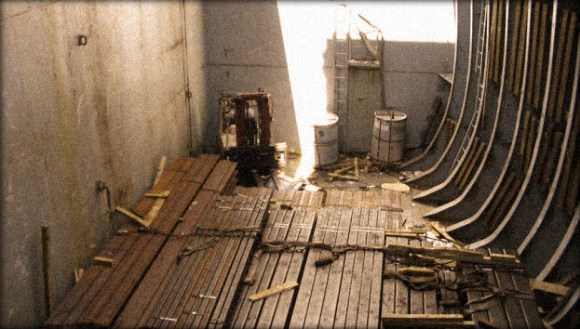
Upon survey of all cargo holds after a transport of sulphur cargo, serious corrosion was found. On the inclined plates of the hopper tanks and the lower stool of the transverse bulkhead, extensive damage in shape of groove corrosion was found with depth up to 9mm in places. This incident information refers to a 17,427 GRT Bulk Carrier in 1997.
Minimal Ballast Water VLCC Design
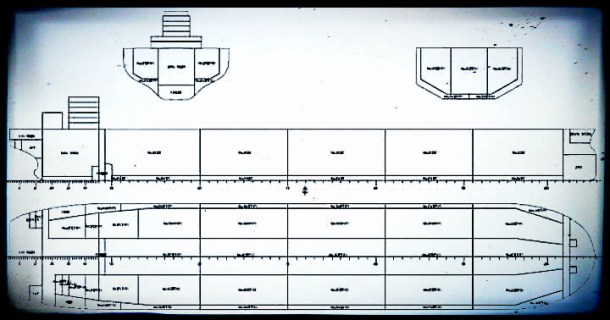
On 25 February 2013 Namura Shipbuilding acquired AIP (Approval in Principle) from NKK regarding the MIBS (Minimal Ballast water Ship) VLCC project, for which the company has been working for years together with Shipbuilding Research Centre of Japan and with the support of Japanese Government. This tanker design reduces the weight of ballast water required by about 65 percent compared with a conventional hull form.




 Officer of the Watch